Sensorineural hearing loss is one of the most common types of hearing loss and occurs when the inner ear or auditory nerve is damaged. People with this condition may not only experience reduced hearing but also find it difficult to understand speech, even when sounds are loud enough to hear. Depending on the cause and severity, treatment options may include medication, hearing aids, or cochlear implants. In this article, we will explain what sensorineural hearing loss is, how it affects hearing, its causes, available treatments, and the support systems that may help improve daily life.
- What Is Sensorineural Hearing Loss?
- What Does Sensorineural Hearing Loss Sound Like?
- These Symptoms May Indicate Sensorineural Hearing Loss
- Sensorineural Hearing Loss vs. Conductive Hearing Loss
- Common Causes of Sensorineural Hearing Loss
- Degrees of Sensorineural Hearing Loss
- Can Sensorineural Hearing Loss Be Cured?
- How Is Sensorineural Hearing Loss Diagnosed?
- Treatment Options for Sensorineural Hearing Loss
- Sensorineural Hearing Loss and Hearing Aids
- Severe Sensorineural Hearing Loss and Cochlear Implants
- The Relationship Between Sensorineural Hearing Loss and Genetics
- Financial and Social Support Programs
- Frequently Asked Questions (FAQ)
- Summary
What Is Sensorineural Hearing Loss?

Sensorineural hearing loss (SNHL) is a type of hearing loss caused by damage to the inner ear or the auditory nerve. It can result from aging, genetic factors, illnesses, or other causes. In addition to reduced hearing sensitivity, it often makes it difficult to understand speech clearly.
Overview of Sensorineural Hearing Loss
Hearing loss is generally classified based on which part of the ear is affected. The two main types are conductive hearing loss and sensorineural hearing loss.Sensorineural hearing loss occurs when there is damage to the inner ear (cochlea) or the auditory nerve. It is one of the most common types of hearing loss and can develop due to aging, genetic conditions, diseases, or prolonged exposure to loud sounds.
How We Hear Sounds
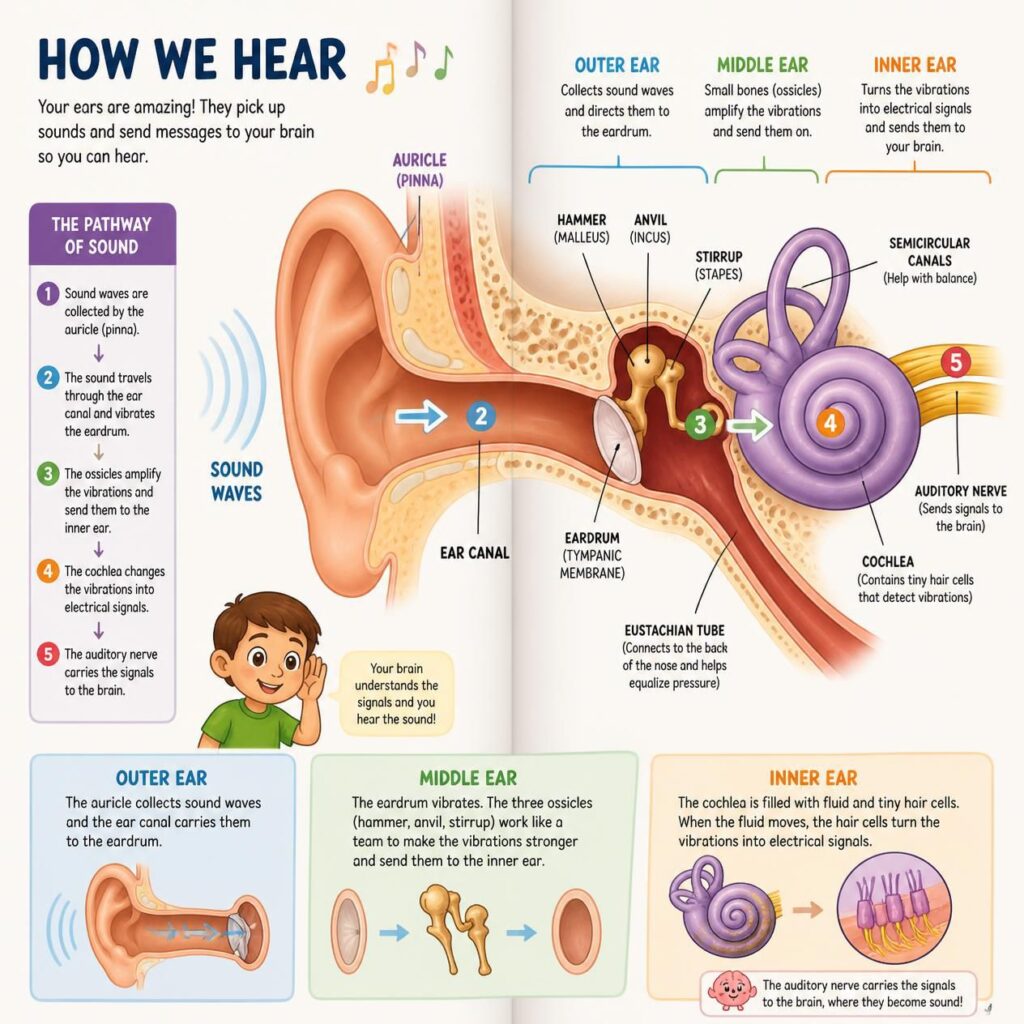
Before discussing sensorineural hearing loss, it is helpful to understand how hearing works.Sound waves are first collected by the outer ear (pinna), the visible part of the ear.The sound then travels through the ear canal and reaches the eardrum. Vibrations of the eardrum are amplified by three tiny bones in the middle ear called the ossicles.These amplified vibrations are transmitted to the cochlea in the inner ear, where specialized hair cells convert the sound into electrical signals. The auditory nerve carries these signals to the brain, which interprets them as sound.The ear is divided into three parts:
- Outer ear (pinna and ear canal)
- Middle ear (eardrum and ossicles)
- Inner ear (cochlea and auditory nerve)
Ultimately, it is the brain that recognizes and interprets sound.
What Does Sensorineural Hearing Loss Sound Like?

People with sensorineural hearing loss often describe their hearing as “I can hear sounds, but I can’t understand what people are saying.”Many individuals find it particularly difficult to communicate in noisy environments or during conversations involving multiple people. These difficulties can affect daily life, work, and school.
Hearing Sounds but Not Understanding Speech
Many people assume that hearing loss simply means sounds become quieter.However, sensorineural hearing loss affects not only volume but also speech clarity. It is often compared to listening to low-resolution or distorted audio.As a result, certain speech sounds may become difficult to distinguish, causing one sound to be perceived as another. This makes conversations challenging, even when voices are loud enough to hear.
Difficulty Hearing in Noisy Places
Because speech clarity is reduced, people with sensorineural hearing loss often struggle in noisy environments.Background noise can mask speech sounds, making it difficult to determine who is speaking or what is being said.Restaurants, train stations, classrooms, and social gatherings are common situations where communication becomes particularly challenging.
Difficulty Hearing High-Pitched Sounds
High-frequency hearing loss is common in sensorineural hearing loss.When high-frequency sounds become difficult to hear, speech may sound muffled or unclear. Since consonants are typically high-pitched sounds, understanding spoken language becomes more difficult.
Everyday Situations That Can Be Difficult
People with sensorineural hearing loss may experience difficulties in situations such as:
- Hearing announcements on public transportation
- Participating in meetings or group discussions
- Following conversations among several people
- Watching television programs
- Communicating in crowded environments
My wife has sensorineural hearing loss, and she often says that when several people are talking at once, it becomes difficult to tell who is speaking.
These Symptoms May Indicate Sensorineural Hearing Loss

You may have sensorineural hearing loss if you:
- Frequently increase the television volume
- Have difficulty understanding train or station announcements
- Struggle during meetings or group conversations
- Find children’s voices difficult to hear
- Often ask others to repeat themselves
- Feel uncomfortable in noisy environments
Several smartphone hearing test apps are also available and may help identify potential hearing difficulties.
Sensorineural Hearing Loss vs. Conductive Hearing Loss
Sensorineural hearing loss affects the inner ear or auditory nerve, whereas conductive hearing loss involves problems in the outer or middle ear.People with sensorineural hearing loss typically experience difficulty understanding speech, while conductive hearing loss mainly causes sounds to become quieter.Conductive hearing loss can sometimes be improved through medical or surgical treatment. In contrast, most cases of sensorineural hearing loss are permanent.Some individuals have both types simultaneously, a condition known as mixed hearing loss.
Common Causes of Sensorineural Hearing Loss
Sensorineural hearing loss has many possible causes. Understanding the underlying cause is important when considering treatment options and support.
Congenital Hearing Loss
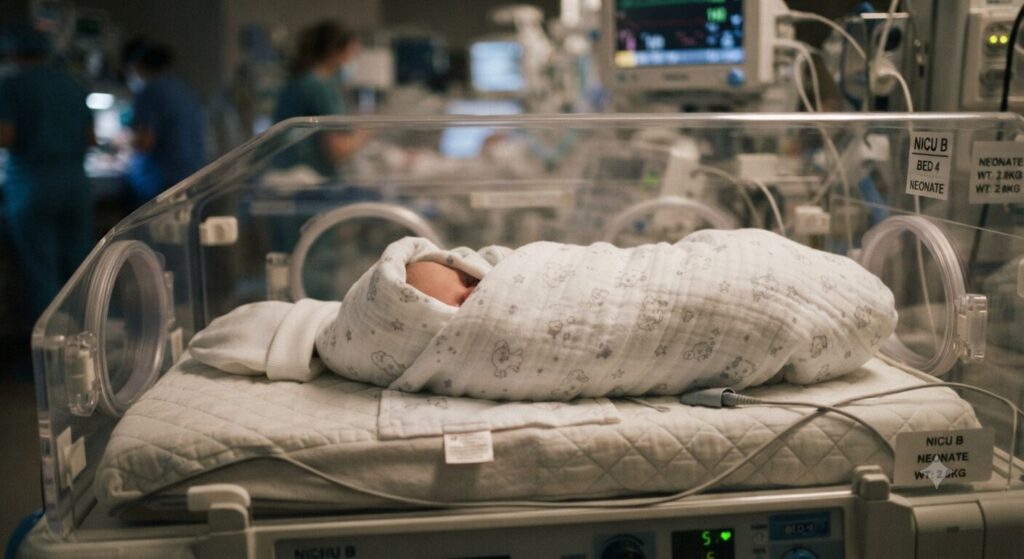
Congenital hearing loss refers to hearing loss that is present at birth.It affects approximately 1 to 1.5 out of every 1,000 newborns and is considered one of the more common congenital conditions.Around half of all congenital hearing loss cases are believed to have a genetic cause.
Age-Related Hearing Loss

Age-related hearing loss (presbycusis) develops gradually as people grow older.Many people notice that their grandparents or elderly relatives have difficulty hearing. Factors such as aging, smoking, and metabolic changes may contribute to its development.
Sudden Sensorineural Hearing Loss
Sudden sensorineural hearing loss occurs unexpectedly, often within a short period of time.Possible contributing factors include stress, medications, viral infections, and noise exposure.Prompt medical evaluation is essential because early treatment may improve outcomes.
Noise-Induced Hearing Loss

Noise-induced hearing loss occurs when the ears are exposed to loud sounds for extended periods.In recent years, “headphone hearing loss” has become increasingly common due to prolonged use of earphones and headphones at high volumes.Hearing damage may begin with long-term exposure to sounds around 85 dB or louder. Listening to loud music for extended periods increases the risk of permanent hearing loss.
Drug-Induced Hearing Loss

Certain medications can damage the inner ear and cause hearing loss.Examples include:
- Aminoglycoside antibiotics
- Diuretics
- Platinum-based chemotherapy drugs
- Salicylates
These medications do not necessarily cause hearing loss in everyone. If you notice changes in your hearing while taking medication, consult your physician rather than discontinuing treatment on your own.
Auditory Neuropathy
Auditory neuropathy is a hearing disorder in which sound reaches the inner ear but is not properly transmitted to the brain.Some cases are associated with mutations in the OTOF gene.People with auditory neuropathy may hear sounds but have significant difficulty understanding speech. It is often diagnosed in infancy or childhood.
We prepared article of Auditory Neuropathy.So, please lead it together.
Regarding Auditory Neuropathy↗
Genetic Hearing Loss

Researchers have identified more than 100 genes associated with hearing loss.Some children are born with hearing loss even though neither parent has hearing loss themselves. This can occur when both parents carry a recessive genetic mutation.For this reason, the absence of hearing loss in parents does not necessarily mean that their children will not be affected.
Degrees of Sensorineural Hearing Loss
Sensorineural hearing loss is classified according to hearing thresholds measured during hearing tests.The severity is expressed in decibels (dB).
- Mild
- Moderate
- Severe
- Profound
Mild Hearing Loss
Mild hearing loss generally means that sounds between 25 and 45 dB are required before they become audible.People with mild hearing loss may experience difficulties in noisy environments or group conversations, but the condition is often overlooked.
Moderate Hearing Loss
Moderate hearing loss typically ranges from 46 to 70 dB.Conversations become more difficult unless people speak nearby or clearly. Hearing aids are often recommended.
Severe Hearing Loss
Severe hearing loss usually ranges from 71 to 95 dB.People may need others to speak loudly and at close range. Hearing aids are commonly used, and cochlear implants may be considered if hearing aids provide limited benefit.
Profound Hearing Loss
Profound hearing loss generally begins at approximately 96 dB or greater.Hearing aids alone may not provide sufficient benefit, and cochlear implants are often considered as a treatment option.
Can Sensorineural Hearing Loss Be Cured?
In most cases, sensorineural hearing loss cannot currently be cured.Some forms of hearing loss, such as sudden sensorineural hearing loss, may improve if treatment with corticosteroids is started promptly. Early treatment is extremely important.In Japan, treatment is often recommended within 48 hours of symptom onset because the likelihood of hearing recovery decreases significantly if treatment is delayed.If you suddenly experience hearing difficulties, ringing in the ears, or a sensation of blocked ears, you should seek medical attention as soon as possible.Researchers are also making significant progress in gene therapy for congenital hearing loss. In recent clinical studies, some patients have experienced remarkable improvements in hearing, raising hopes that gene therapy may become a practical treatment option in the future.
How Is Sensorineural Hearing Loss Diagnosed?
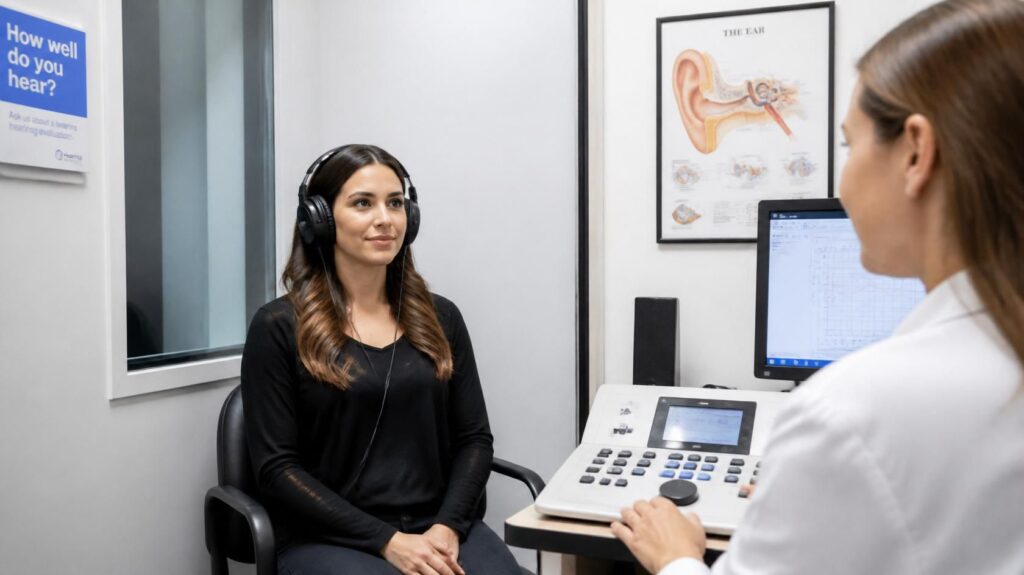
Sensorineural hearing loss is diagnosed through a variety of hearing tests, including pure-tone audiometry, speech audiometry, auditory brainstem response (ABR) testing, and genetic testing. Identifying the cause and severity of hearing loss helps determine the most appropriate treatment and support options.
Pure-Tone Audiometry
Pure-tone audiometry is one of the most common hearing tests. If you have ever undergone a school or workplace health examination, you may remember pressing a button when you hear a “beep.”During a comprehensive hearing test, sounds of different frequencies and volumes are presented to determine the softest sounds you can hear. The results are used to assess the severity and pattern of hearing loss.
Speech Audiometry
Speech audiometry evaluates how well you can understand spoken sounds or words.During the test, speech sounds are played through headphones or speakers, and you are asked to repeat or identify what you hear. Because sensorineural hearing loss often affects speech clarity rather than just volume, this test is particularly important.Speech audiometry is also commonly used when fitting and adjusting hearing aids.
Tympanometry
Tympanometry is a test that evaluates the condition of the middle ear.It helps identify problems such as:
- Eardrum abnormalities
- Middle ear fluid
- Dysfunction of the ossicles
- Problems with middle ear pressure
Although tympanometry is primarily used to diagnose conductive hearing loss, it is often performed as part of a comprehensive hearing evaluation.
We prepared article of Tympanometry. So, please refer it.
Auditory Brainstem Response (ABR) Test
The Auditory Brainstem Response (ABR) test measures how the auditory nerve and brainstem respond to sound.In some cases, sound reaches the inner ear normally, but the auditory nerve or brain does not process the signal correctly. ABR testing can help identify these issues.It is commonly used for:
- Newborn hearing screening
- Auditory neuropathy diagnosis
- Hearing evaluations in infants and young children
Genetic Testing
Researchers have identified more than 100 genes associated with hearing loss.Genetic testing can help determine whether a person’s hearing loss is caused by specific genetic variants. It is particularly useful for diagnosing congenital and hereditary hearing loss.
Treatment Options for Sensorineural Hearing Loss
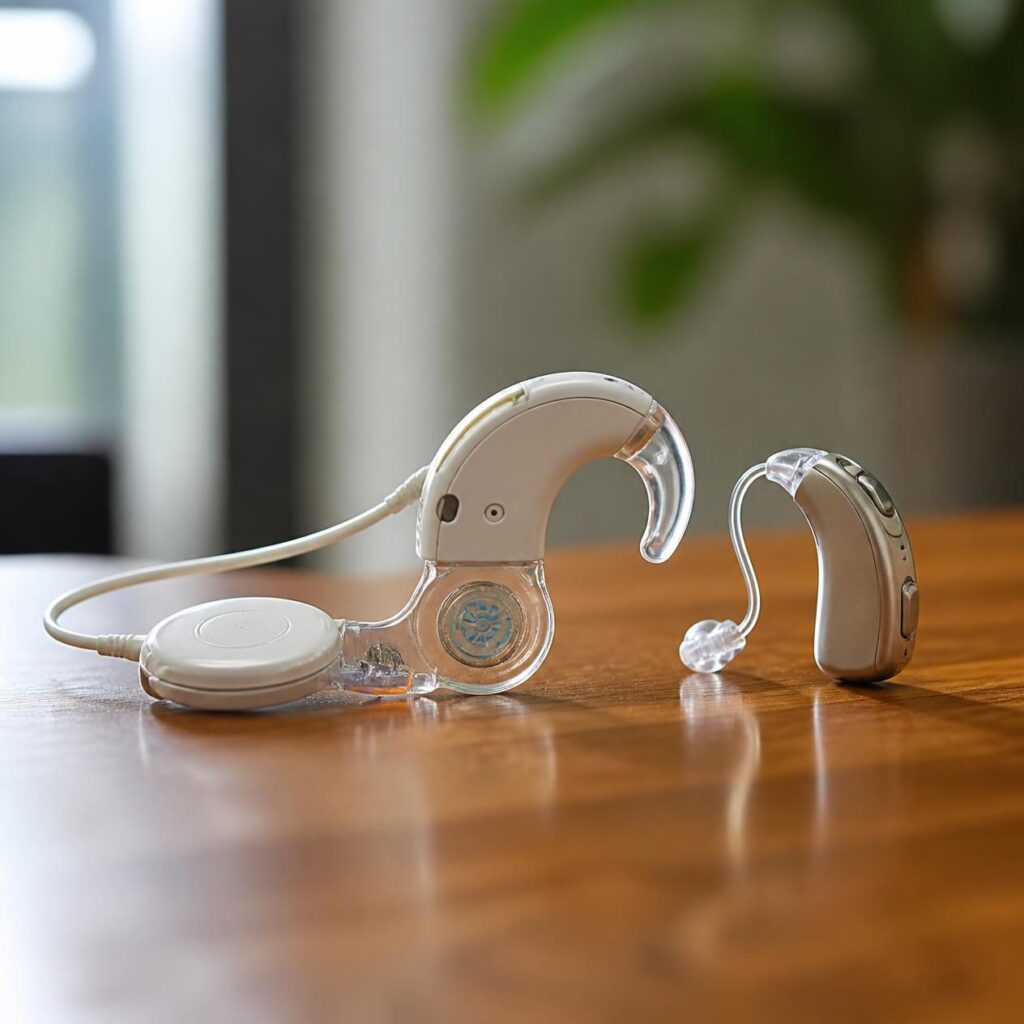
Treatment options for sensorineural hearing loss vary depending on the underlying cause. While some conditions respond to medication, many individuals benefit from hearing devices such as hearing aids or cochlear implants.
Medication
Most forms of sensorineural hearing loss cannot be cured with medication.However, some conditions, including sudden sensorineural hearing loss and acute low-tone sensorineural hearing loss, may respond to corticosteroid treatment if diagnosed early.
In Japan, treatment is often recommended within 48 hours of symptom onset because earlier intervention may improve the likelihood of hearing recovery.Diuretics may also be prescribed for certain conditions, such as acute low-tone sensorineural hearing loss.
TV Speakers for Hearing Assistance
Some people are unwilling or unable to use hearing aids but still struggle to hear television audio.Specialized TV speakers designed for people with hearing difficulties can make dialogue easier to understand. Although they do not improve everyday communication, they may significantly improve the television viewing experience.They can also be used alongside hearing aids or personal sound amplification devices.
Personal Sound Amplification Products (PSAPs)
People with mild hearing loss may benefit from personal sound amplification products (PSAPs).Unlike hearing aids, PSAPs are not classified as medical devices in many countries and can often be purchased at electronics retailers or online.Although they are generally more affordable than hearing aids, they are not individually fitted or medically regulated for hearing loss treatment.
Hearing Aids
Since most cases of sensorineural hearing loss cannot be permanently cured, hearing aids are one of the most common ways to improve hearing.You can think of hearing aids much like eyeglasses for hearing. They amplify sounds and are particularly helpful for individuals with mild to severe hearing loss.Modern hearing aids are professionally programmed and customized according to each person’s hearing profile. Most users require an adjustment period before becoming comfortable with amplified sounds.
We prepared an article of Hearing Aids. So please refer it.
Cochlear Implants
Cochlear implants are medical devices designed primarily for individuals with severe to profound hearing loss who receive limited benefit from hearing aids.
A cochlear implant consists of:
- An external sound processor and microphone
- An internal implant and electrode array
The device converts sound into electrical signals and delivers them directly to the cochlea through implanted electrodes.Unlike hearing aids, cochlear implants require surgical implantation.
We prepared article of cochlear implant. So, please lead it together.
Rehabilitation
Improved hearing does not happen instantly after receiving hearing aids or cochlear implants.Auditory rehabilitation plays an important role in helping individuals adapt to their new hearing experience. Rehabilitation may include:
- Listening exercises
- Speech recognition training
- Communication practice
Speech-to-Text Applications
Speech-to-text applications have become increasingly useful for people with hearing loss.These apps can transcribe conversations in real time and are particularly helpful during meetings, lectures, or group discussions.Although hearing and understanding speech naturally is ideal, speech-to-text technology can significantly improve communication in daily life.
Sensorineural Hearing Loss and Hearing Aids
Hearing aids are beneficial for many people with sensorineural hearing loss. However, they do not restore normal hearing.Some individuals, particularly those who develop hearing loss later in life, find that amplified sounds initially feel unnatural or uncomfortable.Additionally, hearing aids may provide limited benefit in cases of:
- Severe hearing loss
- Auditory nerve disorders
- Certain genetic hearing conditions
Therefore, hearing aids are an effective management tool but are not a universal solution.
Severe Sensorineural Hearing Loss and Cochlear Implants
For people with severe or profound hearing loss, hearing aids may not provide sufficient benefit.Cochlear implants bypass damaged hair cells in the cochlea and directly stimulate the auditory nerve using electrical signals.Because they work differently from hearing aids, cochlear implants may improve hearing in cases where conventional amplification is not effective.
The Relationship Between Sensorineural Hearing Loss and Genetics

Some forms of sensorineural hearing loss are caused by genetic variants. Advances in genetic medicine have led to promising developments in gene therapy research.
GJB2 Gene
The GJB2 gene is one of the most common genes associated with hereditary hearing loss.It provides instructions for producing Connexin 26, a protein involved in transporting potassium ions within the cochlea.Mutations in the GJB2 gene can interfere with normal hearing by preventing hair cells from functioning properly.
We prepared article of GJB2 gene. Please refer it also.
OTOF Gene
The OTOF gene is closely associated with auditory neuropathy.It produces a protein called otoferlin, which plays an essential role in transmitting sound signals from hair cells to auditory neurons.Mutations in OTOF can prevent sound information from being accurately transmitted to the brain.
We prepared article of OTOF gene. So, please refer it also.
SLC26A4 Gene
The SLC26A4 gene produces a protein called pendrin, which helps regulate ion transport in the inner ear and thyroid gland.Mutations in this gene are commonly associated with Enlarged Vestibular Aqueduct (EVA) and may lead to progressive sensorineural hearing loss.
We prepared article of SLC26A4 gene. So, please refer it also.
Advances in Gene Therapy Research
Gene therapy research for hereditary hearing loss has progressed rapidly in recent years.Clinical studies involving OTOF-related hearing loss have reported significant hearing improvements following gene therapy delivered directly to the inner ear.These developments offer hope that genetic forms of hearing loss may become treatable in the future.
We prepared article of gene therapy. So, please refer it.
Financial and Social Support Programs

People with hearing loss may qualify for financial assistance or support services depending on their country or region of residence.
Disability Certification
In Japan, individuals with severe hearing loss may qualify for a Physical Disability Certificate (Shintai Shogaisha Techo).Eligibility is generally determined by hearing thresholds and varies according to Japanese disability regulations.
Hearing Device Subsidies
In Japan, some local governments provide financial assistance for hearing aids and other assistive devices.Eligibility requirements and subsidy amounts differ by municipality.
Medical Expense Assistance
Medical treatments such as cochlear implant surgery can be expensive.In Japan, patients may be eligible for financial assistance through programs such as the High-Cost Medical Expense Benefit System.
Local Government Support Programs
Many municipalities provide their own support services for individuals with hearing loss.It is recommended that you check the programs available in your area.
Frequently Asked Questions (FAQ)
Can sensorineural hearing loss be cured?
Some forms of hearing loss may improve with early treatment, but most cases are permanent.
Is sensorineural hearing loss hereditary?
Not necessarily. Some genetic forms of hearing loss can occur even when neither parent has hearing loss.
Do I need hearing aids?
The need for hearing aids depends on the severity of hearing loss and its impact on daily life. Hearing aids are often beneficial for both children and adults
Can I qualify for disability benefits?
Eligibility varies by country.In Japan, individuals with severe hearing loss may qualify for disability certification and related support programs.
Can people with sensorineural hearing loss communicate normally?
Many people with mild or moderate hearing loss communicate effectively in one-on-one conversations. However, noisy environments and group conversations are often more challenging.
Summary
Sensorineural hearing loss is one of the most common types of hearing loss and is caused by damage to the inner ear or auditory nerve. It can result from aging, genetic factors, illnesses, and noise exposure, and is often characterized by the feeling of “hearing sounds but not understanding speech.”Although most cases cannot currently be cured, hearing aids, cochlear implants, rehabilitation, and assistive technologies can significantly improve communication and quality of life. In some cases, early medical treatment may improve hearing outcomes.If you notice any changes in your hearing, it is important to consult an ear, nose, and throat (ENT) specialist for appropriate evaluation and testing.At Hearing Log, we also provide detailed information about congenital hearing loss, genetic hearing conditions, cochlear implants, hearing aids, and support services for people with hearing loss. Be sure to explore our related articles to learn more.


コメント