

Have you ever been told that you or your child has a “GJB2 gene mutation” and wondered what it means?
The GJB2 gene is one of the most common causes of congenital hearing loss. In particular, a mutation called 235delC is frequently found in Japanese people, and many families first learn about it through newborn hearing screening or genetic testing.
In this article, we explain the role of the GJB2 gene, its relationship to hearing loss, the characteristics of the 235delC variant, inheritance patterns, and current treatment options in an easy-to-understand way.
What Is the GJB2 Gene?
The GJB2 gene plays an essential role in our ability to hear. Let’s take a look at what it does and where it works in the ear.
The Role of GJB2 (Connexin 26)
Genes can be thought of as the body’s blueprint.
The GJB2 gene provides instructions for making a protein called Connexin 26.
Where Does It Work in the Ear?
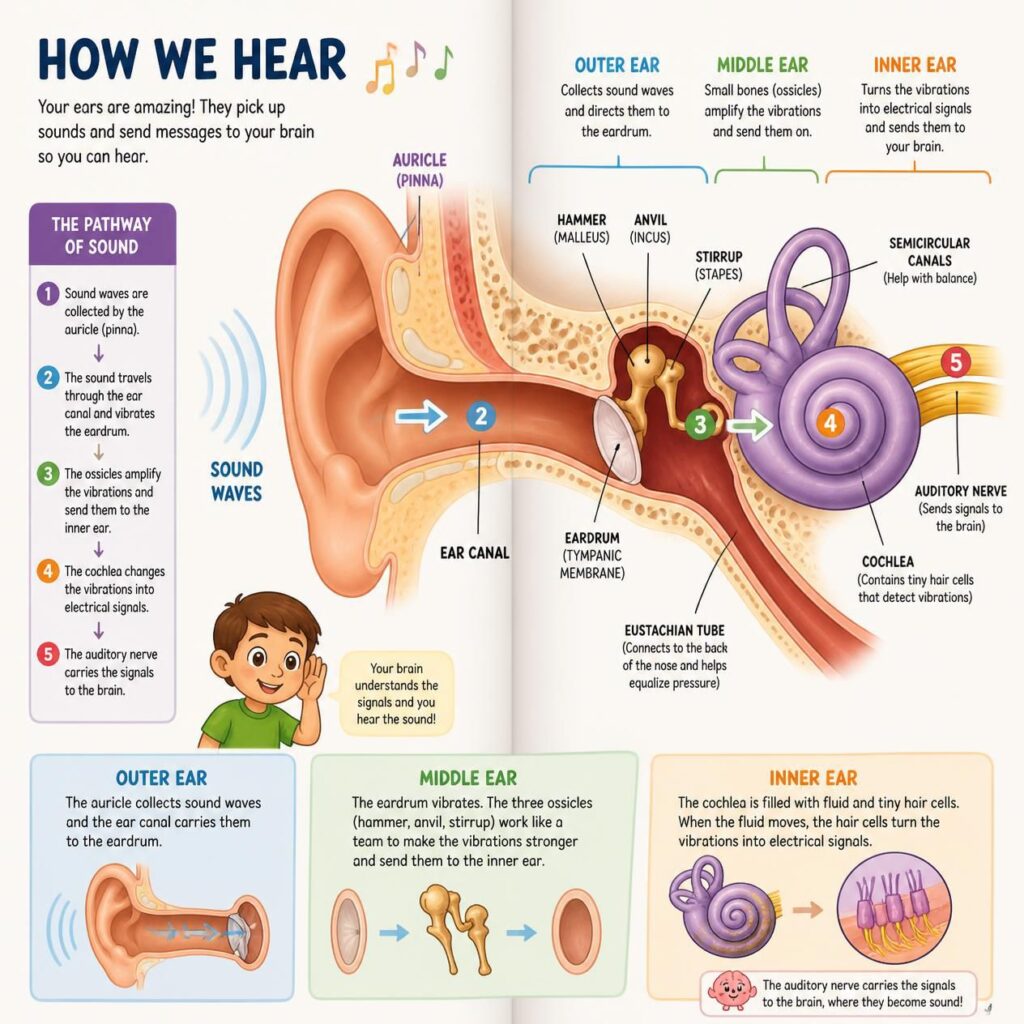
Connexin 26 functions in the cochlea, a snail-shaped structure located in the inner ear.
It helps connect neighboring cells and allows potassium ions to circulate properly, which is essential for converting sound into electrical signals.
Why Does a Mutation Cause Hearing Loss?
When the GJB2 gene is mutated, potassium ions cannot move efficiently between cells in the inner ear.
As a result, the ear cannot properly convert sound into electrical signals, leading to hearing loss.
Characteristics of GJB2-Related Hearing Loss
GJB2-related hearing loss has several characteristics that distinguish it from other forms of genetic hearing loss. These include the severity of hearing loss and whether it progresses over time.
What Is Nonsyndromic Hearing Loss?
One of the main characteristics of GJB2-related hearing loss is that it is usually nonsyndromic hearing loss.
Nonsyndromic hearing loss means that hearing loss occurs without other associated medical conditions.
In contrast, some genetic conditions can cause hearing loss along with vision problems, heart disease, or other complications.
Severity of Hearing Loss
The severity of GJB2-related hearing loss varies widely, ranging from mild to profound.
People with mild hearing loss may be able to carry on everyday conversations but may struggle to hear in noisy environments. Mild cases can sometimes go unnoticed.
On the other hand, severe or profound hearing loss may require hearing aids or cochlear implants, and even these interventions may not fully restore hearing.
Can It Progress Over Time?
GJB2-related hearing loss is generally considered stable and non-progressive. However, some individuals may experience changes in hearing over time, so regular hearing evaluations are recommended.
What Is the 235delC Variant?
If you have researched the GJB2 gene, you may have come across the term 235delC. This section explains what it means and why it is important.
What Does 235delC Mean?
The term 235delC refers to a specific genetic mutation in which a portion of the DNA sequence is missing.
Among Japanese individuals with GJB2 mutations, 235delC is one of the most commonly reported variants.
Why Is It Common in Japanese People?
Unfortunately, the exact reason why the 235delC variant is common among Japanese people is still unknown.
One possible explanation is the founder effect, which suggests that a genetic mutation carried by distant ancestors has been passed down through generations over a long period of time.
How Is It Identified Through Genetic Testing?
More than 100 genes are believed to be associated with hearing.
The GJB2 gene is one of these genes, and genetic testing can determine whether mutations are present.
How Is the GJB2 Gene Inherited?
GJB2-related hearing loss is typically inherited in an autosomal recessive manner.
Understanding inheritance patterns can help families better understand why congenital hearing loss occurs.
What Is Autosomal Recessive Inheritance?
The GJB2 gene follows an autosomal recessive inheritance pattern.
Every person inherits one copy of a gene from each parent. Symptoms only appear when both copies of the GJB2 gene carry mutations.
What Happens If Both Parents Are Carriers?
A carrier is someone who has one normal copy of the gene and one mutated copy.
Even if neither parent has hearing loss, their child can still inherit GJB2-related congenital hearing loss.
If both parents are carriers, the possible genetic combinations are:
- No mutation / No mutation
- Mutation / No mutation
- No mutation / Mutation
- Mutation / Mutation
As a result, there is a 25% chance that their child will inherit mutations in both copies of the GJB2 gene and develop hearing loss.
Can Carriers Develop Hearing Loss?
Carriers typically do not experience hearing loss caused by GJB2 mutations because they possess one functioning copy of the gene.
However, this does not mean they are immune to hearing loss. They may still develop hearing loss due to environmental factors, aging, or other unrelated causes.
GJB2 and Newborn Hearing Screening
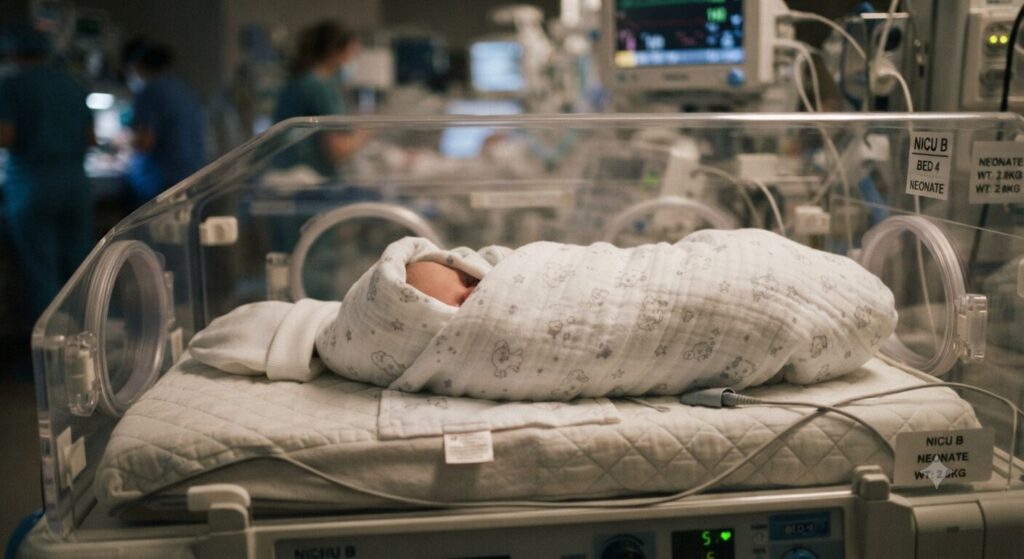
GJB2-related hearing loss is often identified following newborn hearing screening and subsequent diagnostic evaluations.
When Is It Usually Detected?
Newborn hearing screening is typically performed within a few days after birth.
If the results are normal, the infant receives a “Pass.” If hearing loss is suspected, the result is reported as “Refer.”
However, a “Refer” result does not necessarily mean the child has hearing loss. Factors such as fluid remaining in the ear can affect the results, and some infants pass upon repeat testing.
In many cases, GJB2-related hearing loss is confirmed through follow-up diagnostic testing after newborn hearing screening.
Follow-Up Diagnostic Testing
Newborn hearing screening is often conducted according to the 1-3-6 Rule:
- Screening by 1 month of age
- Diagnostic evaluation by 3 months of age
- Early intervention services initiated by 6 months of age
For more information, please see our article on newborn hearing screening.
When Should Genetic Testing Be Considered?
Whether or not to undergo genetic testing is a personal decision for each family.
Identifying the causative gene may help predict the clinical course and provide valuable information for genetic counseling. However, genetic testing does not always change treatment decisions, so families should discuss the benefits and limitations with their healthcare provider.
Differences Between GJB2, OTOF, and SLC26A4
Many genes are associated with hearing loss. Here is a brief comparison of three well-known genes:
| Gene | Main Characteristics |
|---|---|
| GJB2 | The most common cause of congenital hearing loss |
| OTOF | Associated with auditory neuropathy spectrum disorder (ANSD) |
| SLC26A4 | Associated with enlarged vestibular aqueduct (EVA) |
Be sure to read our articles on the OTOF and SLC26A4 genes to learn more.
Treatment Options for GJB2-Related Hearing Loss
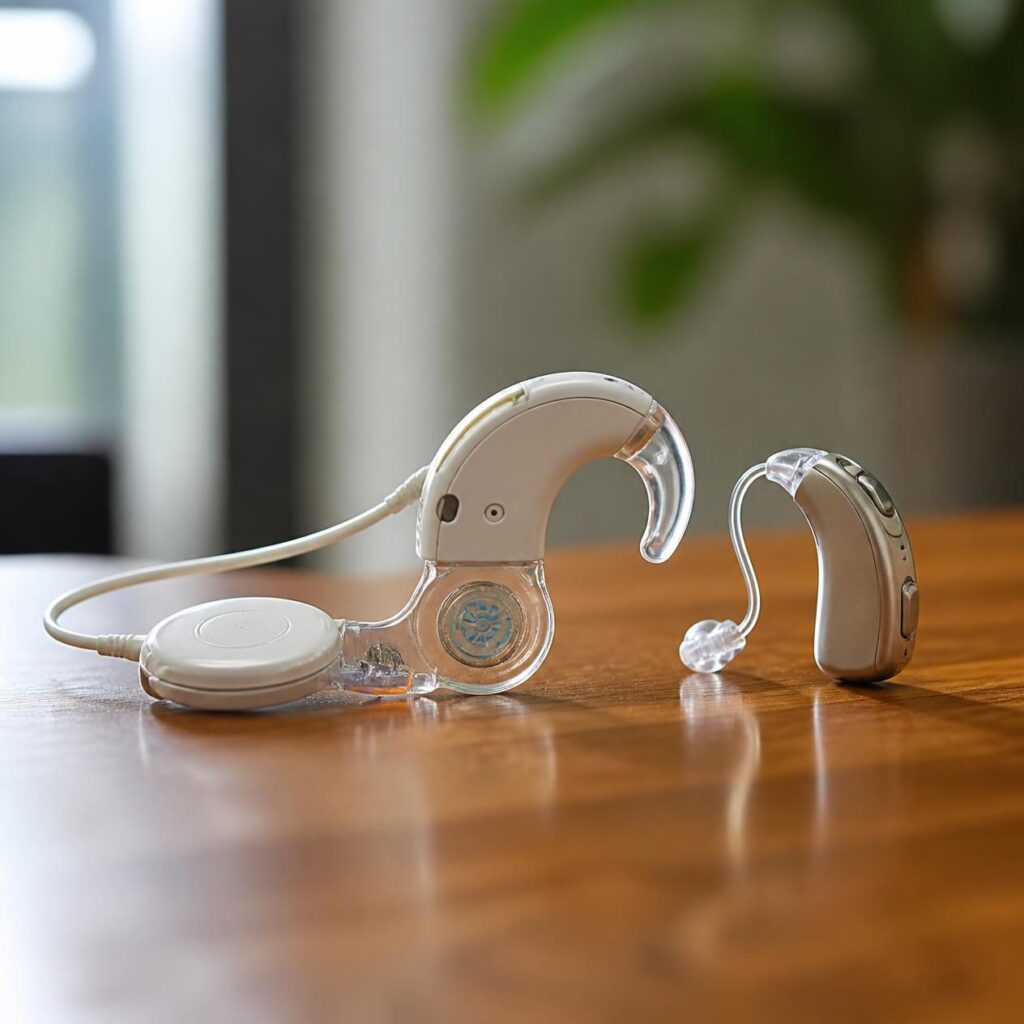
At present, there is no widely available treatment that directly corrects GJB2 gene mutations. However, several interventions can help improve hearing and communication.
Hearing Aids
For individuals with mild to severe GJB2-related hearing loss, hearing aids are often highly effective and can significantly improve quality of life.
Cochlear Implants
Cochlear implants are another effective treatment option, particularly for individuals with severe to profound hearing loss.
Current Status of Gene Therapy Research
Researchers are actively investigating gene therapy as a potential treatment for hereditary hearing loss.
Some experimental studies have successfully restored hearing in animal models and early clinical trials. Although gene therapy is not yet widely available, it offers hope for future treatment options.
Conclusion
To summarize:
- GJB2 is one of the most common genes associated with congenital hearing loss.
- The 235delC variant is particularly common among Japanese people.
- Most cases are classified as nonsyndromic hearing loss.
- Hearing aids and cochlear implants are often effective treatment options.
- Gene therapy research continues to advance and may provide new possibilities in the future.

コメント