

The OTOF gene is one of the genes known to cause congenital hearing loss. It is particularly associated with a condition called Auditory Neuropathy Spectrum Disorder (ANSD), and in many cases, it is first identified through newborn hearing screening.In recent years, research into gene therapy targeting OTOF-related hearing loss has advanced significantly. Several clinical studies conducted overseas have reported improvements in hearing, raising hopes that the long-held belief that “hearing loss cannot be cured” may eventually change.In this article, we explain the role of the OTOF gene, its relationship with congenital hearing loss, the characteristics of auditory neuropathy, treatment options such as cochlear implants, and the latest developments in gene therapy.
- What Is Congenital Hearing Loss?
- How Does Sound Travel from the Ear to the Brain?
- What Is the OTOF Gene?
- Characteristics of OTOF-Related Hearing Loss
- Is OTOF-Related Hearing Loss Inherited?
- How Is OTOF-Related Hearing Loss Diagnosed?
- Treatment Options for OTOF-Related Hearing Loss
- The Latest Research on OTOF Gene Therapy
- Frequently Asked Questions
- Conclusion
What Is Congenital Hearing Loss?
- Congenital hearing loss refers to hearing impairment present at birth.
- It affects approximately 1 to 1.5 out of every 1,000 newborns.
- Genetic factors are responsible for many cases, including mutations in the OTOF gene.
Hearing Loss Present from Birth
Congenital hearing loss is a condition in which a person is born with reduced hearing ability. In contrast, hearing loss that develops later in life is known as acquired hearing loss.
Whether a child has congenital hearing loss is usually unknown until after birth. Newborn hearing screening is performed shortly after delivery to determine whether a baby responds appropriately to sound.
How Common Is It?
Congenital hearing loss is one of the most common birth-related conditions. It is estimated to occur in approximately one in every 1,000 births.
The severity varies considerably—from mild unilateral hearing loss to profound bilateral hearing loss—but overall, it is not considered a rare condition.
Causes of Congenital Hearing Loss
Congenital hearing loss can result from genetic and environmental factors. However, genetic causes account for a large proportion of cases.
Humans have approximately 20,000 genes, and more than 100 of them are associated with hearing. The OTOF gene is one of the most important genes linked to congenital hearing loss.
How Does Sound Travel from the Ear to the Brain?
- Sound travels through the outer ear, middle ear, and inner ear before reaching the brain.
- The brain recognizes electrical signals—not sound waves themselves.
How Hearing Works
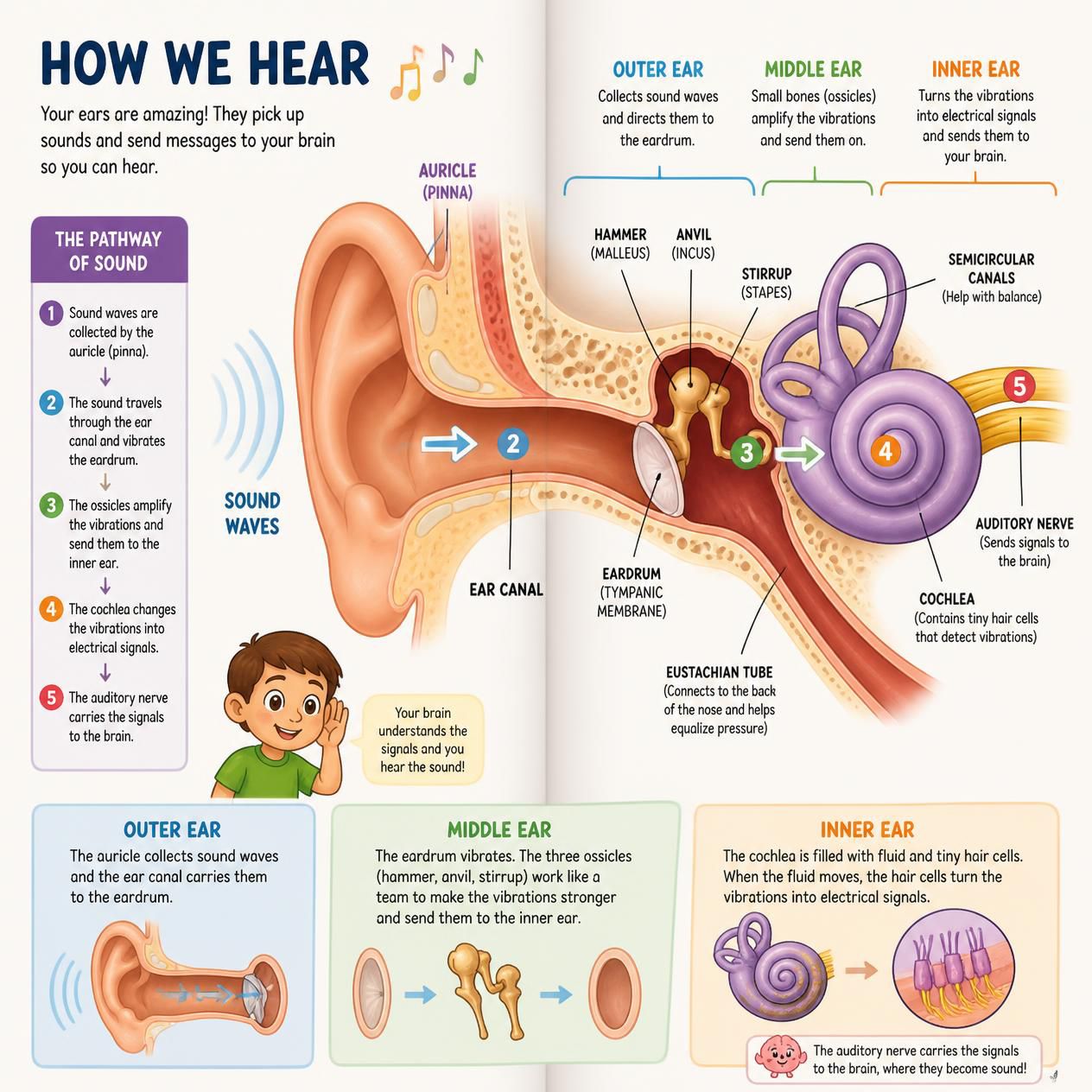
The ear consists of three major parts:
- Outer Ear
- Middle Ear
- Inner Ear
Sound enters through the ear canal and causes the eardrum to vibrate. These vibrations are amplified by the tiny bones in the middle ear before being transmitted to the cochlea in the inner ear.
Inside the cochlea are sensory cells called hair cells. These cells convert sound vibrations into electrical signals, which are then sent to the brain through the auditory nerve.
The Importance of Hair Cells
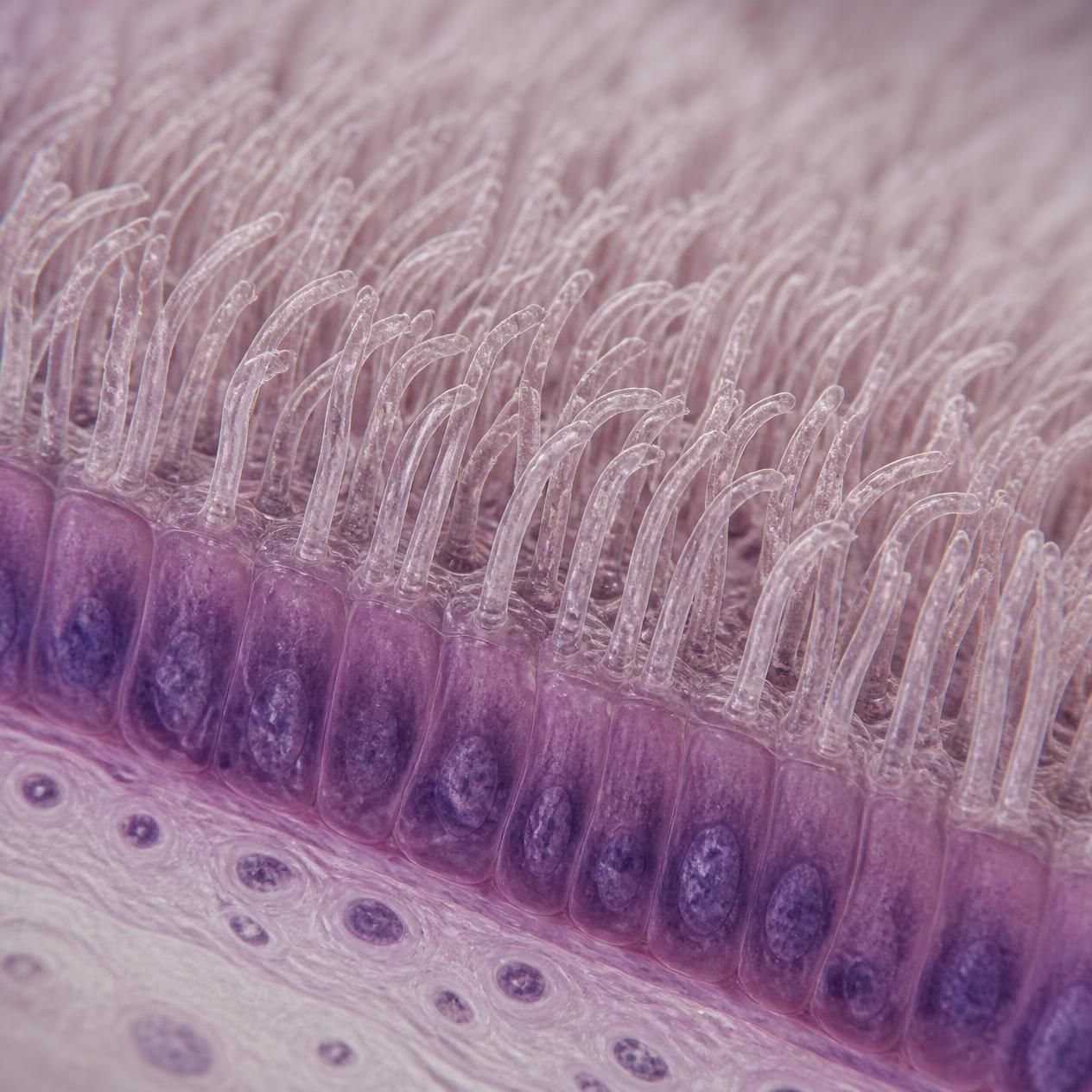
Hair cells play a critical role in hearing. If they do not function properly, sound may reach the ear but fail to be accurately processed by the brain.
This can result in difficulty understanding speech, even if sounds are technically audible.
We prepared article of hair cells. So, please refer it.
Transmitting Sound Information
Different regions of the cochlea respond to different sound frequencies. Once stimulated, hair cells generate electrical signals corresponding to those frequencies.
These signals travel through the auditory nerve to the brain, where they are recognized as sound.
What Is the OTOF Gene?
- The OTOF gene provides instructions for producing otoferlin.
- Otoferlin is essential for transmitting sound information to the auditory nerve.
The Gene Responsible for Producing Otoferlin
Genes act as the body’s blueprint. The OTOF gene contains instructions for producing a protein called otoferlin.
Although otoferlin is not widely known outside the medical community, it has recently gained attention due to breakthroughs in hearing loss gene therapy.
The Role of Otoferlin
Otoferlin helps inner hair cells release neurotransmitters.
When hair cells detect sound, otoferlin assists in passing that information to the auditory nerve. Without it, sound signals cannot be efficiently transmitted to the brain.
What Happens When the OTOF Gene Is Mutated?
Mutations in the OTOF gene can prevent otoferlin from functioning correctly.
As a result, sound reaches the inner ear and is converted into electrical signals, but those signals fail to reach the brain effectively. This leads to difficulty understanding sounds and speech despite the presence of sound itself.
Characteristics of OTOF-Related Hearing Loss
- Sound reaches the ear, but signals are not properly transmitted to the brain.
- This condition is commonly associated with Auditory Neuropathy Spectrum Disorder (ANSD).
Difficulty Transmitting Sound Signals
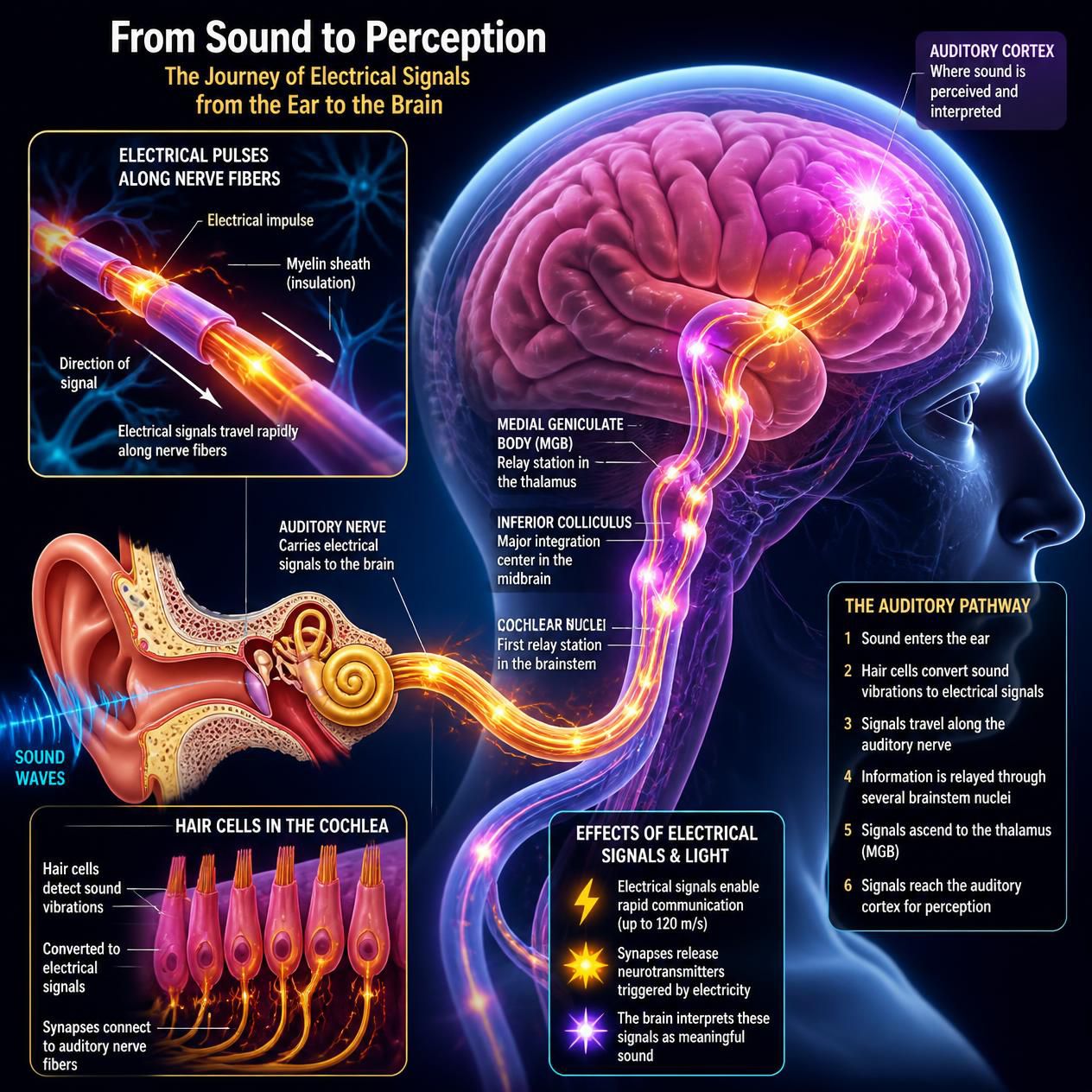
Individuals with OTOF-related hearing loss may detect sounds but struggle to process speech accurately because the communication pathway between hair cells and the auditory nerve is disrupted.
Relationship with Auditory Neuropathy
Auditory Neuropathy Spectrum Disorder (ANSD) is a condition in which sound enters the inner ear normally, but signal transmission to the brain is impaired.
People with ANSD often experience:
- Difficulty understanding speech
- Inconsistent hearing ability
- Better hearing in quiet environments than noisy ones
OTOF mutations are among the best-known genetic causes of ANSD.
We prepared article of ANSD. So, pleass refer it.
Detection Through Newborn Hearing Screening
Newborn hearing screening typically uses two tests:
- Otoacoustic Emissions (OAE)
- Auditory Brainstem Response (ABR)
Babies with OTOF mutations may pass OAE testing because their hair cells function normally, while failing ABR testing due to impaired signal transmission to the brain.
Is OTOF-Related Hearing Loss Inherited?
- OTOF-related hearing loss usually follows an autosomal recessive inheritance pattern.
- If both parents are carriers, each child has a 25% chance of being affected.
What Is Autosomal Recessive Inheritance?
Humans inherit two copies of most genes—one from each parent.
In autosomal recessive conditions, a child must inherit two altered copies of the gene to develop symptoms. Individuals with only one altered copy are known as carriers and typically have normal hearing.
Probability When Both Parents Are Carriers
When both parents are carriers:
- 25% chance the child will have hearing loss
- 50% chance the child will be a carrier
- 25% chance the child will inherit two unaffected copies
The Importance of Genetic Counseling

Genetic counseling can help families better understand inheritance patterns and make informed decisions.
Speaking with healthcare professionals can provide reassurance and help address concerns about the possibility of passing hearing loss to future children.
How Is OTOF-Related Hearing Loss Diagnosed?
- Newborn hearing screening
- Hearing tests
- ABR testing
- Genetic testing
Hearing Tests
Standard hearing evaluations include pure-tone audiometry and speech recognition tests.
People with auditory neuropathy may show relatively preserved hearing thresholds but poor speech understanding.
Auditory Brainstem Response (ABR)
ABR measures the brain’s response to sound and is an important tool for diagnosing auditory neuropathy.
Genetic Testing
Genetic testing can identify mutations in hearing-related genes, including OTOF. More than 100 genes have been associated with hearing loss.
Treatment Options for OTOF-Related Hearing Loss
- There is currently no cure.
- Cochlear implants are often highly effective.
- Early intervention is essential.
Are Hearing Aids Effective?
Hearing aids amplify sound and are beneficial for many types of hearing loss.
However, because OTOF-related hearing loss involves impaired signal transmission rather than reduced sound input, hearing aids may provide limited benefit.
Cochlear Implants
Cochlear implants bypass damaged pathways and directly stimulate the auditory nerve.
OTOF-related hearing loss is known to respond particularly well to cochlear implantation, making it one of the most effective treatment options currently available.
Why Early Intervention Matters
Early detection is critical for language development.
Providing appropriate intervention during infancy can significantly improve speech, language, and communication outcomes.
The Latest Research on OTOF Gene Therapy
- Gene therapy has entered the clinical success stage.
- Improvements in hearing have already been reported in several patients.
What Is Gene Therapy?
Gene therapy aims to deliver a healthy copy of the OTOF gene directly into the inner ear.
Several clinical trials conducted since 2024 have demonstrated promising results in children with OTOF-related hearing loss.
We prepared article of gene therapy. So, please refer it.
Reported Success Stories
Researchers in China, the United Kingdom, and the United States have reported cases in which children experienced substantial improvements in hearing following treatment.
These developments have generated significant excitement within the hearing research community.
Will It Become Widely Available?
Although gene therapy is not yet commercially available, progress has been remarkably rapid.
Many experts believe that treatments for certain forms of congenital hearing loss could become a reality within the next decade.
Frequently Asked Questions
Can OTOF-related hearing loss be cured?
Not at present. However, gene therapy is showing promising results and may become an effective treatment in the future.
Is OTOF-related hearing loss progressive?
In most cases, it is congenital and non-progressive.
Which is better: hearing aids or cochlear implants?
Cochlear implants are generally considered more effective for OTOF-related hearing loss because they bypass the impaired signal transmission pathway.
Can anyone undergo genetic testing?
Genetic testing is available through many hospitals and clinics, particularly those specializing in otolaryngology and genetics.
Is gene therapy available in Japan?
Currently, OTOF gene therapy is not available as a standard treatment in Japan.
Is OTOF-related hearing loss always inherited?
No. While it is usually inherited in an autosomal recessive manner, having carrier parents does not guarantee that a child will develop hearing loss.
Conclusion
- The OTOF gene plays a vital role in transmitting sound information to the brain.
- Mutations in OTOF can cause congenital hearing loss and auditory neuropathy.
- Cochlear implants are often highly effective.
- Gene therapy research is advancing rapidly.
- OTOF-related hearing loss may become treatable in the future.
Understanding the OTOF gene provides valuable insight into congenital hearing loss and highlights the exciting progress being made in hearing restoration research around the world.
We prepared article of other gene. So, please refer it.

コメント