If you’re considering hearing aids for the first time, you may have questions such as:
- Are hearing aids expensive?
- Do I really need one?
- Which type should I choose?
Hearing aids can feel overwhelming when you’re just starting to learn about them. Many people delay seeking help because they think their hearing loss isn’t severe enough or assume they can simply “manage without one.”
However, hearing aids are much more than devices that make sounds louder. They are sophisticated medical devices designed to improve speech understanding and support communication by being professionally fitted to an individual’s hearing needs. When properly selected and adjusted, hearing aids can significantly improve your ability to hear conversations and enhance your overall quality of life.
In this guide, we’ll explain how hearing aids work, the different types available, typical costs, how to choose the right one, and financial assistance or insurance options. Whether you’re experiencing hearing difficulties yourself or helping a loved one, this article will provide the essential information you need before purchasing hearing aids.
- What Are Hearing Aids?
- How Do Hearing Aids Work?
- What Types of Hearing Aids Are Available?
- Major Hearing Aid Brands and Their Features
- How Much Do Hearing Aids Cost?
- Who Can Benefit from Hearing Aids?
- How to Choose the Right Hearing Aid
- Is It Better to Start Using Hearing Aids Early?
- Benefits of Hearing Aids
- Disadvantages of Hearing Aids
- Hearing Aids vs. Personal Sound Amplifiers (PSAPs)
- How Do You Buy Hearing Aids?
- Are There Financial Assistance Programs for Hearing Aids?
- Frequently Asked Questions About Hearing Aids
- Conclusion
What Are Hearing Aids?
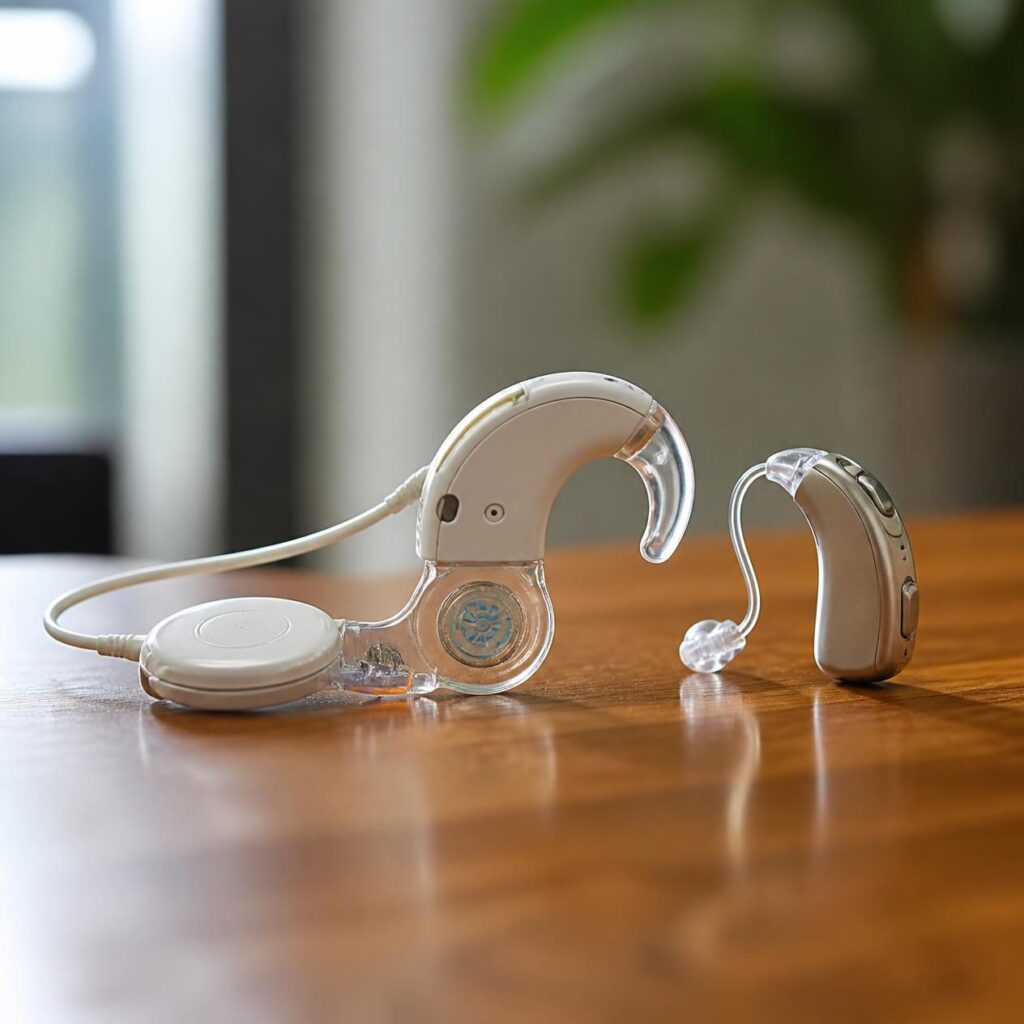
Hearing aids are medical devices designed to help people hear better. They do more than simply make sounds louder—they are programmed and adjusted to match an individual’s hearing needs.Hearing aids do not cure hearing loss. Instead, they are designed to improve communication and make everyday listening easier.
Hearing Aids Are Medical Devices That Support Hearing
Many people think of hearing aids in the same way they think of eyeglasses—if your eyesight is poor, you wear glasses; if your hearing is poor, you wear hearing aids. That was my impression before hearing aids became a part of my life.However, hearing aids are far more sophisticated than many people realize. They are medical devices specifically designed to support hearing by amplifying and processing sounds based on the user’s hearing loss and listening environment.Unlike simple sound amplifiers, modern hearing aids can be professionally programmed to suit an individual’s hearing needs. In many countries, hearing aids are regulated medical devices that must meet strict safety and performance standards.You may have seen personal sound amplification products (PSAPs) advertised online or on television. While they may look similar to hearing aids, they are consumer electronic devices and are not intended to compensate for hearing loss in the same way as hearing aids.In short, hearing aids are highly personalized devices designed to improve the wearer’s ability to communicate and participate in daily life.
Hearing Aids Do Not Cure Hearing Loss
Most types of hearing loss cannot be permanently cured.For this reason, hearing aids are not designed to restore normal hearing or treat the underlying cause of hearing loss. Instead, they are assistive devices that help users hear sounds more clearly and comfortably in their everyday lives.
How Do Hearing Aids Work?
Hearing aids capture sound, process it digitally, and amplify the sounds that are most important for the wearer.Despite their small size, hearing aids contain sophisticated technology that is designed to improve speech understanding while protecting users from uncomfortable or excessively loud sounds.
How Sound Is Processed by a Hearing Aid
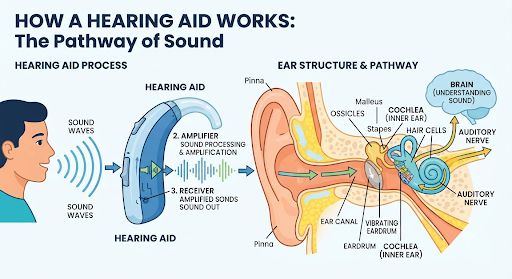
Modern hearing aids are incredibly compact devices packed with advanced electronic components and digital signal processing technology.The basic process works as follows:
- A microphone picks up sounds from the surrounding environment.
- The hearing aid analyzes and processes the sound signals.
- Important sounds, such as speech, are amplified.
- The processed sounds are delivered to the ear through a speaker.
All of these steps happen in real time, allowing hearing aids to help users hear conversations more comfortably in a variety of listening environments.
What Types of Hearing Aids Are Available?
There are several different types of hearing aids available today. The most suitable option depends on factors such as the degree of hearing loss, lifestyle, and personal preferences.When choosing a hearing aid, it’s important to consider not only its appearance but also its comfort, sound quality, and functionality.
We prepared article of hearing aid type. So, please refer it.
Regarding type of hearing aids↗
Behind-the-Ear (BTE) Hearing Aids

Behind-the-ear (BTE) hearing aids are one of the most common and versatile types available.The main unit sits comfortably behind the ear and is connected to an earmold or ear tip that fits inside the ear canal.Because they are slightly larger than other styles, BTE hearing aids often offer advanced features, longer battery life, and greater amplification power. They are suitable for a wide range of hearing loss levels and are often recommended for first-time users.Another advantage is that the microphone and speaker are positioned farther apart, which helps reduce feedback or whistling noises.
We prepared article of BTE. So, please refer it.
Receiver-in-Canal (RIC) Hearing Aids
Receiver-in-Canal (RIC) hearing aids are a popular variation of BTE hearing aids.Unlike traditional BTE models, the speaker (receiver) is placed inside the ear canal and connected to the main device by a thin wire.This design allows sound to be delivered more naturally and efficiently while maintaining a discreet appearance. RIC hearing aids are widely used because they provide excellent sound quality and are comfortable for many users.
In-the-Ear (ITE) Hearing Aids

In-the-ear (ITE) hearing aids are custom-made devices that fit inside the outer ear or ear canal.Their compact size makes them less noticeable than some other hearing aid styles, making them a popular choice for users who prefer a more discreet option.However, because the microphone and speaker are located close together, feedback can sometimes occur if significant amplification is required.
We prepared article of ITE. So, please refer it.
Regarding in the ear hearing aids↗
Pocket Hearing Aids
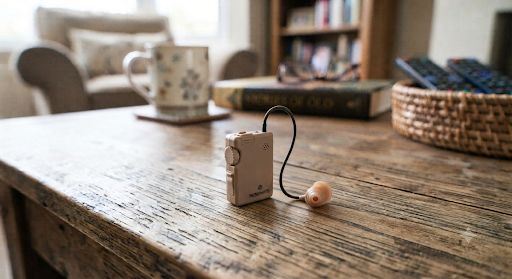
Pocket hearing aids, also known as body-worn hearing aids, consist of a larger external unit connected to an earphone or earmold.The device is typically carried in a pocket or worn around the neck.Although they are less discreet and involve cables, pocket hearing aids are often easier to operate and may be more affordable than other styles.
We prepared article of pocket type. So, please refer it.
What Are Bone Conduction Hearing Aids?
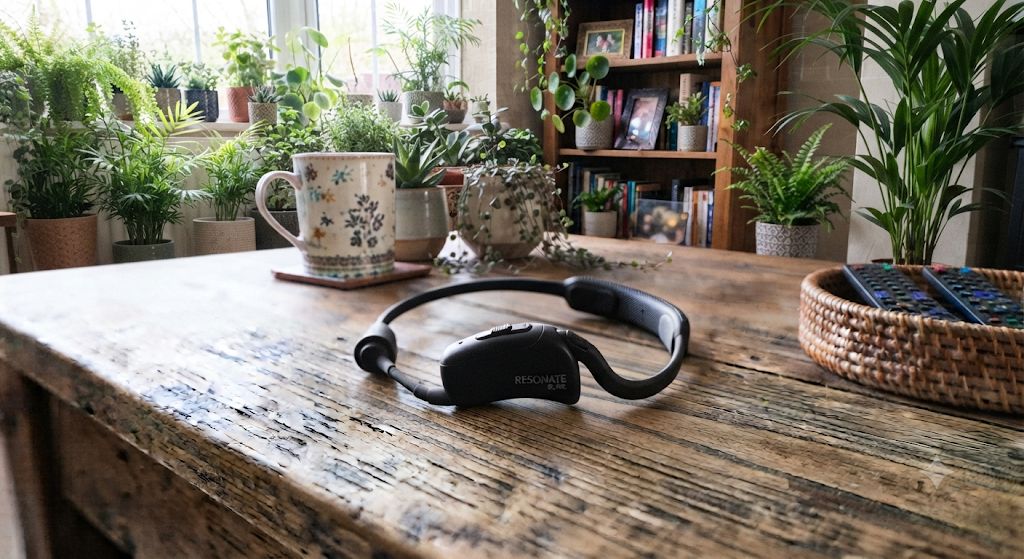
Most hearing aids deliver sound through the ear canal. Bone conduction hearing aids use vibrations to transmit sound directly to the inner ear through the skull.Many people are already familiar with bone conduction headphones, which use similar technology.Bone conduction hearing aids are particularly useful for individuals with hearing loss caused by problems in the outer or middle ear. Because they are designed for specific hearing conditions, they are not suitable for everyone.
We prepared article of bone-conduction type. So, please refer it.
Regarding bone – conduction type↗
Major Hearing Aid Brands and Their Features
Several hearing aid manufacturers are recognized worldwide for their advanced technology and reliability. Each brand has its own strengths, whether it’s natural sound quality, AI-powered features, Bluetooth connectivity, or smartphone compatibility. Below is an overview of some of the most popular hearing aid brands and what makes each one unique.
Phonak
Phonak is a Swiss hearing aid manufacturer known for its excellent Bluetooth connectivity and strong speech understanding in noisy environments. Many of its hearing aids can connect directly to smartphones and other Bluetooth devices without additional accessories.
Best for: People who want seamless smartphone connectivity and reliable performance in challenging listening situations.
Oticon
Oticon is a Danish hearing aid manufacturer that focuses on providing a natural listening experience. Its BrainHearing technology is designed to help the brain process sounds more naturally, making hearing aids comfortable to wear for long periods.
Best for: First-time hearing aid users and people who prefer a natural, less tiring listening experience.
Signia
Signia traces its roots to Siemens Hearing Instruments in Germany. The company offers advanced speech processing, AI-powered features, and a wide range of rechargeable hearing aids with modern designs.
Best for: Users who want the latest hearing aid technology and a wide selection of rechargeable models.
Widex
Widex is another Danish hearing aid manufacturer that is well known for its excellent sound quality, especially when listening to music and natural environmental sounds. Many musicians and music lovers appreciate its clear and realistic audio reproduction.
Best for: People who value premium sound quality and enjoy listening to music.
ReSound
ReSound, based in Denmark, is recognized for its outstanding smartphone integration and user-friendly mobile app. The app allows users to adjust hearing aid settings easily and personalize their listening experience.
Best for: People who want to control their hearing aids with a smartphone.
Starkey
Starkey is an American hearing aid manufacturer that offers innovative health-focused features, including fall detection, activity tracking, and wellness monitoring in selected models.
Best for: People who want hearing aids that also support health and wellness monitoring.
Hearing Aid Brand Comparison
| Brand | Headquarters | Sound Quality | Noise Reduction | AI Features | Bluetooth | Music Performance | Price Range | Beginner Friendly |
|---|---|---|---|---|---|---|---|---|
| Phonak | Switzerland | ★★★★☆ | ★★★★★ | ★★★★☆ | ★★★★★ | ★★★★☆ | $$–$$$$ | ★★★★★ |
| Oticon | Denmark | ★★★★★ | ★★★★☆ | ★★★★☆ | ★★★★☆ | ★★★★☆ | $$$–$$$$ | ★★★★★ |
| Signia | Germany | ★★★★☆ | ★★★★★ | ★★★★★ | ★★★★☆ | ★★★★☆ | $$–$$$$ | ★★★★☆ |
| Widex | Denmark | ★★★★★ | ★★★★☆ | ★★★☆☆ | ★★★★☆ | ★★★★★ | $$$–$$$$ | ★★★★☆ |
| ReSound | Denmark | ★★★★☆ | ★★★★☆ | ★★★★☆ | ★★★★★ | ★★★★☆ | $$–$$$$ | ★★★★☆ |
| Starkey | United States | ★★★★☆ | ★★★★☆ | ★★★★★ | ★★★★☆ | ★★★★☆ | $$$–$$$$ | ★★★★☆ |
Note: Ratings are general comparisons based on each manufacturer’s strengths and may vary depending on the specific hearing aid model.
Which Hearing Aid Brand Is Right for You?
The best hearing aid brand ultimately depends on your hearing loss, lifestyle, listening preferences, and personal comfort. A hearing aid that works well for one person may not be the best choice for someone else, so trying different models with the help of a hearing care professional is highly recommended.
Here are some general recommendations:
- Best for first-time users: Oticon offers a natural listening experience that many new users find comfortable. In Japan, Rion is also a popular choice because of its strong local support and service network.
- Best sound quality: Widex is widely recognized for its natural sound reproduction and excellent music performance.
- Best for smartphone users: Phonak provides outstanding Bluetooth connectivity, while ReSound is known for its intuitive smartphone app.
- Best for music lovers: Widex is often recommended thanks to its excellent sound quality and music-focused listening experience.
- Best value for money: Signia offers a broad lineup across different price ranges, making it easier to find a model that fits your budget.
How Much Do Hearing Aids Cost?
The cost of hearing aids varies considerably depending on their technology, features, and level of professional support.Prices can range from several hundred dollars to several thousand dollars per ear in many countries.If hearing aids are worn in both ears, the overall cost is typically doubled.
Typical Hearing Aid Prices
Hearing aid prices vary widely based on factors such as sound processing technology, wireless connectivity, battery type, and customization.Entry-level models are generally more affordable, while premium hearing aids with advanced features such as Bluetooth connectivity, rechargeable batteries, and AI-powered noise reduction are significantly more expensive.
Why Are Hearing Aids So Expensive?
Several factors contribute to the cost of hearing aids, including:
- Customized fitting and programming
- Advanced sound processing technology
- Professional hearing assessments
- Follow-up adjustments and support
- Long-term maintenance services
Modern hearing aids are designed not only to improve hearing but also to provide a comfortable listening experience. For example, they can automatically reduce sudden loud sounds while enhancing speech in noisy environments.Fitting hearing aids is also an ongoing process. Many users require multiple adjustments over several weeks or months before finding the most comfortable settings.Because hearing can change over time, professional follow-up care is often an important part of successful hearing aid use.
How Much Do Two Hearing Aids Cost?
For individuals with hearing loss in both ears, wearing hearing aids bilaterally is often recommended.In most cases, purchasing two hearing aids will approximately double the total cost, although some providers may offer bundled pricing or promotional discounts.
We prepared article of subsidy in Japan. So, please refer it.
Who Can Benefit from Hearing Aids?

Hearing aids can help people with a wide range of hearing loss, from mild to profound.
It may also help improve hearing in people with both conductive and sensorineural hearing loss.
If you’ve noticed that you’re having difficulty hearing conversations or everyday sounds, it’s important to seek a professional hearing evaluation as early as possible. In Japan, this typically means visiting an ear, nose, and throat (ENT) specialist, while in many other countries you may be referred to an audiologist or hearing care professional.Hearing aids may also benefit people with hearing loss in only one ear, depending on the cause and severity of their condition.
We prepared an article of Sensorineural hearing loss. So, please refer it.
Regarding Sensorineural Hearing Loss↗
Mild Hearing Loss
People with mild hearing loss often have difficulty understanding speech in noisy environments, such as busy restaurants, meetings, or group conversations. However, many people do not experience significant problems in quiet everyday situations.Because of this, some people with mild hearing loss choose not to wear hearing aids. In fact, many don’t even realize they have hearing loss until it begins to affect their daily lives.For some individuals, a personal sound amplification product (PSAP) may provide enough assistance for occasional listening situations. However, it is always recommended to have a professional hearing test first and choose a device that matches your specific hearing needs.
Moderate Hearing Loss
People with moderate hearing loss can usually understand conversations in quiet environments if others speak clearly and at a normal pace.My wife has moderate hearing loss, and she can still hold conversations without hearing aids when the surroundings are very quiet, such as at night.However, once background noise increases or several people begin talking at the same time, following conversations becomes much more difficult.In many cases, personal sound amplifiers are no longer sufficient at this stage, and properly fitted hearing aids provide much greater benefit.
Severe Hearing Loss
Severe hearing loss means that even loud speech spoken close to the ear can be difficult to understand.At this stage, personal sound amplifiers generally provide little or no benefit, and professionally fitted hearing aids are usually recommended.For some people with severe or profound hearing loss, hearing aids may no longer provide enough improvement, and a cochlear implant may become a more appropriate treatment option.
We prepared an article of cochlear implant. So, please refer it.
Can Hearing Aids Help with Hearing Loss in One Ear?
Yes. Hearing aids can also benefit people with single-sided hearing loss (unilateral hearing loss).When hearing is significantly better in one ear than the other, it can become difficult to determine the direction sounds are coming from. You may also fail to notice someone speaking on your poorer-hearing side.If you have hearing loss in both ears but are considering wearing only one hearing aid, bilateral hearing aids (one for each ear) are generally recommended whenever appropriate. Using hearing aids in both ears often improves speech understanding, sound localization, and overall listening comfort.
How to Choose the Right Hearing Aid
Hearing aids are a significant investment, so it’s natural to wonder questions like:
- Which hearing aid is right for me?
- Does a more expensive hearing aid always provide better hearing?
- Where should I buy a hearing aid to get the best results?
The truth is that choosing a hearing aid isn’t simply about buying the most expensive model or picking a well-known brand.
The best hearing aid depends on your level of hearing loss, your lifestyle, and the situations where you struggle to hear. For example, someone who spends most of their day in quiet environments may need a very different hearing aid from someone who frequently attends meetings or social gatherings.
It’s also important to understand that buying a hearing aid is only the beginning. After you receive your hearing aid, it must be professionally fitted and adjusted to match your hearing needs. Fine-tuning the settings over time can make a significant difference in how well you hear and how comfortable the hearing aid feels.
Unfortunately, there is no single hearing aid that works perfectly for everyone. Hearing loss is different for every person, so the best hearing aid is the one that is carefully selected and professionally programmed for your individual needs.
For the best results, work closely with an audiologist or hearing care professional throughout the selection and fitting process.
If you’d like to learn more, we’ve created a detailed guide that explains everything you need to know before buying your first hearing aid.
We prepared article of how to choose hearing aids. So, please refer it.
Regarding how to choose hearing aids↗
Is It Better to Start Using Hearing Aids Early?

People generally adapt more easily to hearing aids when they begin using them sooner rather than later.Ignoring hearing difficulties can make everyday communication increasingly stressful and frustrating. If you have any concerns about your hearing, it’s a good idea to seek professional advice as early as possible.
What Happens If You Don’t Use Hearing Aids?
For children—especially infants and toddlers—early hearing intervention is extremely important for normal speech and language development.If children cannot hear speech clearly during their early years, they may have difficulty developing normal pronunciation and language skills.For adults, untreated hearing loss can make conversations more tiring and may lead to social isolation as communication becomes increasingly difficult.Research has also shown that untreated hearing loss is associated with an increased risk of cognitive decline and dementia. Although hearing aids cannot prevent dementia entirely, treating hearing loss may help reduce this risk and improve overall quality of life.
Early Use Helps Your Brain Adapt to Hearing Aids
One important thing to understand is that hearing aids do not sound exactly like natural hearing.The sounds you hear through hearing aids are digitally processed and adjusted to match your hearing loss. Because of this, many first-time users find the sound unfamiliar or even uncomfortable at first.My wife experienced this when she first started wearing hearing aids. Even today, whenever she upgrades to a new device, she says the sound feels different for a while and can be tiring until she adjusts.This adaptation period is completely normal. The brain needs time to learn how to interpret the newly amplified sounds.For this reason, hearing care professionals generally recommend starting to use hearing aids as early as possible. The earlier you begin wearing them, the sooner your brain can adapt, making it easier to enjoy conversations and everyday sounds.
Benefits of Hearing Aids
Hearing aids offer many benefits for people with hearing loss, helping them communicate more effectively and maintain an active lifestyle. Some of the main advantages include:
- Better speech understanding and easier conversations
- Reduced listening effort and less fatigue
- Improved communication with family and friends
- Greater confidence in social situations and everyday activities
Research has also shown that untreated hearing loss is associated with an increased risk of cognitive decline and dementia. While hearing aids cannot completely prevent dementia, treating hearing loss may help reduce this risk by keeping the brain engaged through regular communication and sound stimulation.For many people, wearing hearing aids not only improves hearing but also enhances their overall quality of life.
Disadvantages of Hearing Aids
Although hearing aids provide significant benefits, they also have some drawbacks. The main challenges are related to the time, effort, and cost required to achieve the best results.Common disadvantages include:
- It takes time to adjust to amplified sounds.
- Background noise is amplified as well as speech.
- Regular follow-up adjustments are necessary.
- Hearing aids can be expensive.
Unlike eyeglasses, hearing aids are not devices that most people can simply purchase and use immediately.They must be professionally programmed and adjusted based on each person’s hearing loss, listening preferences, and daily environment. It often takes several appointments to find settings that provide clear speech while remaining comfortable.Because hearing needs can change over time, periodic adjustments are usually required even after the initial fitting.Although this process requires both time and financial investment, it is one of the reasons professionally fitted hearing aids provide much better results than simple sound amplification devices.
Hearing Aids vs. Personal Sound Amplifiers (PSAPs)
| Feature | Hearing Aids | Personal Sound Amplifiers (PSAPs) |
| Medical device | ✔ | ✘ |
| Professionally customized | ✔ | ✘ |
| Designed for hearing loss | ✔ | Limited |
| Typical price | Higher | Lower |
Hearing aids and personal sound amplification products (PSAPs) may look similar, but they are designed for different purposes.Hearing aids are medical devices intended to compensate for hearing loss. They are professionally fitted and programmed according to an individual’s hearing test results.By contrast, PSAPs are consumer electronic devices designed to amplify environmental sounds for people with normal hearing in specific situations, such as birdwatching or hunting. They are not intended to treat or compensate for hearing loss.Because of this difference, PSAPs are widely available online and in retail stores.Many modern PSAPs include equalizer settings or basic sound adjustments. However, users must configure these settings themselves, and the devices are not customized based on a professional hearing evaluation.Hearing aids, on the other hand, are fitted by hearing care professionals such as audiologists or hearing instrument specialists. They adjust the devices according to the user’s hearing profile, ensuring clearer speech, greater comfort, and a better overall listening experience.
Note for readers in Japan: In Japan, hearing aids are classified as regulated medical devices and are typically purchased through authorized hearing aid providers or medical facilities. The purchasing process and regulations may differ in other countries.
How Do You Buy Hearing Aids?
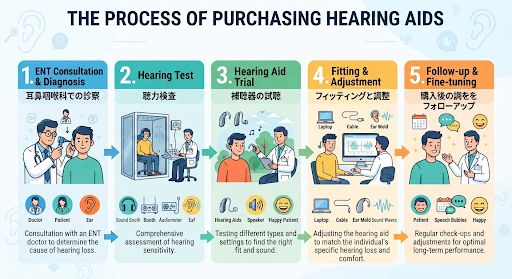
The process of purchasing hearing aids usually begins with a professional hearing evaluation. After your hearing is tested, you can try different hearing aids, have them professionally fitted, and choose the model that best matches your hearing needs and lifestyle.Buying a hearing aid is not the final step. Regular follow-up appointments and adjustments are essential to ensure the device continues to provide the best possible hearing experience.
Schedule a Professional Hearing Evaluation
The first step is to have your hearing evaluated by a qualified hearing care professional.
Note for readers in Japan: It is generally recommended to visit an ear, nose, and throat (ENT) specialist first. Some hospitals also have dedicated hearing aid clinics that provide comprehensive evaluations and hearing aid consultations.
Although many communities have hearing aid centers or hearing aid dispensers, obtaining an accurate diagnosis before purchasing a hearing aid is always the best approach. A hearing evaluation can identify the type and severity of your hearing loss and determine whether a hearing aid is the most appropriate solution.
Take a Hearing Test
A hearing aid fitting is based on detailed hearing test results.In addition to pure-tone audiometry, speech recognition or speech discrimination tests are commonly performed to determine how well you understand spoken words.These results help hearing care professionals program your hearing aids according to your specific hearing profile and communication needs.
Try Different Hearing Aids
There are many different types and brands of hearing aids available.Although each hearing aid can be professionally adjusted, different manufacturers use different sound-processing technologies. As a result, each model has its own unique sound quality.Whenever possible, try several hearing aids before making a decision and choose the one that sounds the most natural and comfortable to you.
Have Your Hearing Aids Professionally Fitted
Once you’ve selected a hearing aid, it needs to be customized for your hearing.The hearing care professional will program the device based on your hearing test results and listening preferences.If necessary, impressions of your ears may be taken to create custom earmolds that provide a secure and comfortable fit.Proper fitting is one of the most important factors in achieving good hearing aid performance.
Continue Fine-Tuning After Purchase
Hearing aid fitting is an ongoing process rather than a one-time adjustment.Your hearing can vary from day to day, and it usually takes several weeks to become accustomed to amplified sound. During follow-up visits, your hearing care professional will adjust the settings based on your feedback and listening experiences.Even after the initial fitting is complete, your hearing may gradually change over the years. If you notice that speech has become more difficult to understand, your hearing aids should be reprogrammed to match your current hearing needs.From my own experience, it took my wife about three months before her hearing aids felt completely comfortable and natural.
Are There Financial Assistance Programs for Hearing Aids?

Hearing aids can be expensive, and the cost may be a concern for many people.Fortunately, some countries offer financial assistance, insurance coverage, tax benefits, or government programs that can help reduce the cost of hearing aids. The available support varies widely depending on where you live.
Note for readers in Japan: Financial assistance may be available through programs such as the Comprehensive Support for Persons with Disabilities Act, local government subsidy programs, or medical expense tax deductions. Eligibility depends on factors such as disability certification and your local municipality, so it is best to contact your local government office for the most up-to-date information.
If you’re considering hearing aids, it’s worth checking with your healthcare provider, insurance company, or local government to see what assistance may be available in your country.
Frequently Asked Questions About Hearing Aids
Can I Wear a Hearing Aid in Only One Ear?
Yes, if you have hearing loss in only one ear, a single hearing aid may be appropriate.However, if you have hearing loss in both ears, wearing hearing aids in both ears is generally recommended because it provides better speech understanding, sound localization, and overall listening comfort.
How Long Do Hearing Aids Last?
The lifespan of a hearing aid depends on the manufacturer, model, and how well it is maintained.There is no fixed replacement schedule, but many hearing aids last between five and seven years with proper care. If you notice changes in your hearing or your hearing aids no longer perform well, consult your hearing care professional.
Are Hearing Aids Covered by Insurance?
Insurance coverage for hearing aids varies by country and insurance provider.
Note for readers in Japan: In general, hearing aids are not covered by Japan’s public health insurance system, although some people may qualify for financial assistance through disability support programs or local government subsidies.
Always check with your insurance provider or local healthcare authority to learn what benefits are available where you live.
Can I Buy Hearing Aids Online?
Yes. Many hearing aid providers now offer online purchasing options.However, before buying hearing aids online, make sure that professional fitting, programming, follow-up adjustments, and after-sales support are included. These services are essential for getting the best results from your hearing aids.
Can Hearing Aids Connect to a Smartphone?
Yes. Many modern hearing aids support Bluetooth connectivity.Bluetooth-enabled hearing aids can connect directly to smartphones, allowing you to stream phone calls, music, videos, and other audio directly to your hearing aids. Many manufacturers also provide smartphone apps that let you adjust volume, change listening programs, and customize settings remotely.
Conclusion
Hearing aids are medical devices that are professionally customized to match each person’s hearing needs.Although they cannot cure hearing loss, they can significantly improve communication, increase confidence, and enhance overall quality of life.Because hearing aids come in a wide variety of styles, technologies, and price ranges, choosing the right device is essential. Before making a purchase, you should have a comprehensive hearing evaluation and work with a qualified hearing care professional to find the hearing aid that best fits your lifestyle and hearing needs.Depending on where you live, financial assistance or insurance benefits may also be available to help reduce the cost.Most importantly, don’t assume that hearing difficulties are simply “a normal part of getting older.” If you’ve started asking people to repeat themselves or struggle to follow conversations, seeking professional advice early is the first step toward hearing better and enjoying a more connected, active life.


コメント