
What you’ll learn
- What hyperacusis is, and which sounds are often hard
- How it differs from misophonia and similar conditions
- Possible causes, and when to see a doctor
- What can help, and how to use earplugs wisely
- How family, friends, teachers, and coworkers can support someone
- Living in Japan? A few things that work differently there
“The clatter of dishes goes right through my head.”
“My child covers her ears and cries whenever there is a loud announcement.”
“My friend keeps wanting to leave busy restaurants. Is she overreacting?”
Hyperacusis is when everyday sounds that don’t bother most people feel too loud, sharp, or even painful. It is not super hearing, and it is not being fussy or dramatic. But it is hard to see from the outside and hard to explain, so many people are told to “just get used to it,” and they end up coping alone.
This guide is for people who live with it, and for the parents, friends, teachers, and coworkers around them. It covers the basics, possible causes, when to see a doctor, what tends to help, and how others can support someone. It was updated in November 2026 using public health information.

What Is Hyperacusis?
Hyperacusis means that ordinary sounds feel much louder than they should, or sharp, or painful. It can affect one ear or both. For some people it starts suddenly, and for others it builds up slowly.
The most important point is that it is not the same as hearing loss. Sounds are not hard to hear. They are hard to bear.
It can happen even when a hearing test is “normal”
A standard hearing test checks how quiet a sound you can hear. Hyperacusis is about how strongly you react to sound, so the results can come back normal. Many people end up thinking, “My test was fine, so why is this so hard?” You are not imagining it.
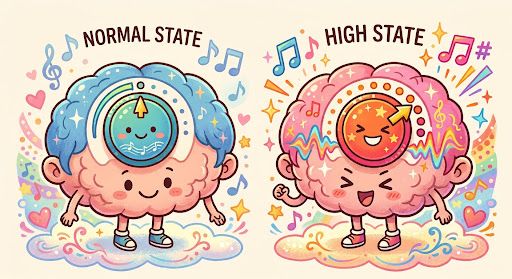
Think of a volume knob turned up too high
Your ears collect sound, and your brain decides what to make of it, including how loud it feels and whether it seems like a threat. In hyperacusis, that volume-and-alarm system seems to react too strongly. It is a bit like a volume knob that has been set too high.
Loud sounds, painful sounds, or both
Some people mainly find sounds too loud. Others feel pain, such as an aching or burning feeling in or around the ear. If sound causes pain, mention it clearly to a doctor or audiologist, and take a child’s report of pain seriously.
Which Sounds Are Hard?
It varies a lot from person to person. Common triggers include:
- At home: clinking dishes, running water, vacuum cleaners, hair dryers, the TV
- Outside: car engines, sirens, construction, busy streets, children’s voices, a barking dog
- At school or work: a noisy classroom or cafeteria, a choir, a sports whistle, keyboards, paper rustling
Tiredness and stress can change how bad it feels. Being fine yesterday but overwhelmed today is very common.
How It Differs From Similar Conditions
Several conditions look alike or can show up together.
- Misophonia: Certain sounds, such as chewing or sniffing, trigger strong anger or disgust. The sound does not have to be loud.
- Phonophobia: Fear or anxiety about a sound, and avoiding it.
- Recruitment: Common with hearing loss. Quiet sounds are hard to hear, but loud sounds quickly feel too loud. See recruitment in simple terms for more.
- Tinnitus: Ringing or buzzing with no outside source. Many people with hyperacusis also have tinnitus.
- Trouble following speech in noise: Sounds are not painful, but it is hard to pick out words. This can be related to auditory processing disorder (APD).
- Wider sensory sensitivity: Some people are also sensitive to light, smells, or touch.
These often overlap, so please don’t try to sort it out alone. If something worries you, ask a doctor or audiologist.
Many people with hyperacusis also hear ringing or buzzing in the ears. That is tinnitus, a separate symptom that often happens alongside it. See our guide to tinnitus.
What Can Cause It?
The exact cause is not well understood. Hyperacusis can appear on its own, or after a sudden loud noise such as fireworks. It can also come with other conditions, including:
- Tinnitus
- Head injury
- Ménière’s disease
- Bell’s palsy
- Lyme disease
- Migraine
- Williams syndrome
Other things linked to sound sensitivity include jaw (TMJ) tension, stress, anxiety, and past exposure to loud noise. If you want to know how loud sound can affect the ears, see how loud noise damages hearing. Some medicines can also cause it as a side effect, so it is worth checking the leaflet of anything you take.
What about children? Children are often more sensitive to loud sounds than adults, and for many it settles as they grow. Some children become more sensitive after a middle ear infection (including glue ear), or when they have another condition such as autism.
One more thing that matters: avoiding sound completely, or covering your ears all the time, can make the brain turn the volume up even more. The What Can Help section explains how to find a balance.
When to See a Doctor
If everyday sounds feel too loud or painful and it is affecting your life, it is worth seeing a doctor. They can check that nothing else is going on in the ear, and some causes can be treated. A GP or family doctor is a good place to start, and they may refer you to an audiologist or an ear, nose and throat (ENT) specialist.
Please get checked promptly if you notice any of these:
- A sudden change in your hearing (it could be sudden hearing loss)
- Strong dizziness
- Sound sensitivity that started after a head injury
- Weakness on one side of the face
- Severe ear pain, fluid coming from the ear, or ear pain with a fever
What to expect
No single test confirms hyperacusis. A clinic may check your ears, do a hearing test, and ask you to fill in a questionnaire about how sound affects your daily life. Some clinics also measure the level at which sounds become uncomfortable.
You may be asked about stress, sleep, or mood too. That is not because it is all in your head. Sound sensitivity and stress affect each other, so it helps to look at both. Clinics that focus on hyperacusis are not common, so it is fine to ask your doctor for a referral.
What Can Help
There is no pill or operation that cures hyperacusis. But many people get better gradually, over months. At one large US hospital, improvement typically takes anywhere from about three months to two years. A useful goal is not complete silence or zero reaction, but getting back to a level where sound no longer runs your day.
1. Look at what is going on in the background
If something may be contributing, such as migraine, jaw tension, poor sleep, or anxiety, it helps to address it. If an ear problem is found, treating it may ease the sensitivity too.
2. Gradual sound exposure and counseling
The main approach combines two things:
- Sound therapy: Using soft, comfortable sound (often steady background noise) so the brain slowly gets used to everyday sounds again. It is similar in spirit to the retraining approach used for tinnitus.
- Counseling or cognitive behavioral therapy (CBT): Learning how to ease fear and tension around sound, and how to cope step by step.
Studies suggest that counseling, CBT, and education are often found most helpful, and sound therapy helps some people as well. Sound therapy works best as a plan made for you by a trained professional. Please don’t try to toughen up with loud sound on your own, which can make things worse. If a sound ever feels uncomfortably loud or painful during therapy, stop and talk to your doctor.
3. Earplugs and ear defenders: only when you need them
Protecting your ears from truly loud noise, such as fireworks, concerts, or construction, makes sense. But wearing earplugs or earmuffs all the time, especially in quiet places, gives your ears and brain less chance to get used to normal sound, and may make sensitivity worse. A good rule is to use them for short, specific situations, and take them off afterward.
4. Calm the body
Slow breathing or relaxation can help the body settle when sound makes you tense. Even a few minutes before bed is a good start.
5. Be careful with miracle cure claims
You may see supplements or products promising to cure hyperacusis. No medicine or health food has been proven to cure it. If you are tempted, please talk to your doctor first.
How Others Can Help
For someone with hyperacusis, one of the hardest things is not being believed. These ideas help a lot.
Parents and family (for children)
- Believe them. Try saying that sounds really hard, rather than that it is not that loud.
- Give a heads-up. Saying the bell will ring in three minutes gives them time to brace.
- Offer an escape. A quiet room, or an agreed signal to step out, brings a lot of relief.
- Let your child choose. If earmuffs or other tools are used, let your child help decide when. Don’t force it. Ask your child’s audiologist for advice, because some health services suggest not using ear defenders routinely for sound-sensitive children.
- Don’t push them to get used to it. Forcing exposure can make things harder.
- Tell the school. Describe specific trouble spots, such as music class, assemblies, or lunchtime, then work out small changes together. In many countries, schools and employers have duties to make reasonable adjustments for people with disabilities. It can help to have a note from a doctor or audiologist.
Friends and coworkers
- Don’t argue. Skip telling them it is not that loud. Ask what would help.
- Pick the place together. A quiet café or a seat in the corner can make a big difference.
- Give a quick heads-up. Avoid sudden loud noises or shouting across the room.
- Don’t take it personally if they step outside or leave early. It is how they take care of themselves.
- At work, ask whether a quieter seat, a quiet room, or noise-reducing headphones could be arranged.
What you can say yourself
Having a line ready can make it easier to bring up:
“My hearing isn’t bad. Ordinary sounds just hit me as too loud. A quiet table really helps.”
Small changes in public life
Some shops and venues offer quiet hours with lower sound and lights, and some places lend ear defenders. Ask whether this is available near you.
Frequently Asked Questions
Can hyperacusis be cured?
Many people improve gradually over months, though results vary. There is no special medicine. The basics are treating any cause, easing back into sound, and getting support.
Is it the same as hearing loss?
No. Hearing loss means sounds are hard to hear. Hyperacusis means sounds feel too loud or painful. Some people have both. For the basics of hearing loss, see What Is Hearing Loss?
Are noise-cancelling headphones okay?
Using them for a short time in a very noisy place, such as a crowded train, can help. Try not to wear them all day in quiet places, for the same reason as earplugs.
Living in Japan?
If you or your child live in Japan, a few things are different.
- Start with an ENT clinic (耳鼻咽喉科). It is the usual first stop. Clinics that focus on hyperacusis are limited, so ask whether they can refer you.
- Reasonable accommodation is now required for private businesses. Since April 2024, private businesses, including private schools and employers, are legally required to provide reasonable accommodation for people with disabilities. This can make it easier to ask for changes at school or work. Your local government office can tell you where to go for advice.
Key Takeaways
- Hyperacusis means everyday sounds feel too loud or painful. It is different from hearing loss, and a hearing test can be normal.
- The cause is not fully understood. It can come with migraine, tinnitus, head injury, stress, and other conditions, and it is common in children.
- See a doctor if it affects your life, and promptly if there is a sudden change in hearing, dizziness, or ear pain.
- Gradual sound exposure and counseling are the mainstays. Use earplugs only when you need them.
- Family, friends, and coworkers help most by believing, giving a heads-up, and offering a quiet place.
It is hard to explain, but you don’t have to carry it alone. Small steps, with support from people around you and from a professional, make a real difference.
References
- NHS, Noise sensitivity (hyperacusis): https://www.nhs.uk/conditions/hyperacusis/
- nidirect (Northern Ireland), Hyperacusis: https://www.nidirect.gov.uk/conditions/hyperacusis
- UCSF EARS, Sound Sensitivity (& Hyperacusis): https://ears.ucsf.edu/node/2731
- UCSF EARS, Hyperacusis and sound sensitivity: https://ears.ucsf.edu/node/2651
- UCSF Health, Hyperacusis: https://www.ucsfhealth.org/conditions/hyperacusis
- NHS Lothian, Sound sensitivity in young people: https://policyonline.nhslothian.scot/wp-content/uploads/2023/03/Sound_sensitivity_in_young_people.pdf


コメント