What you’ll learn
- What fingerspelling is, and when people use it
- How it differs from sign language
- Why finger alphabets are different in different countries
- An example: how fingerspelling works in Japan
- How to spell your name, and how to practice reading it
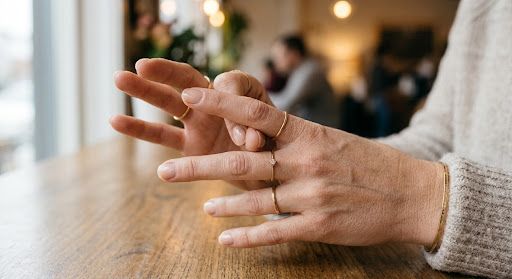
Have you ever watched someone spell out a name with quick hand shapes and wondered what was going on? That is fingerspelling. It can look like magic at first, but the idea is simple: each hand shape stands for a letter.
This guide explains what fingerspelling is, how it differs from sign language, and why finger alphabets are not the same everywhere. It is written for beginners, including family and friends of someone who is deaf or hard of hearing. You do not need to know any sign language to follow along.
What Is Fingerspelling?
Fingerspelling means spelling words with your hands. Every letter gets its own hand shape, and you build a word by showing the shapes one after another, a bit like writing in the air. The full set of hand shapes is called a manual alphabet, or finger alphabet.
Fingerspelling vs. Sign Language
This is the most common mix-up, so it helps to get it straight early.
- Sign language is a full language. It has its own grammar and vocabulary, and it uses the hands and face. American Sign Language (ASL), for example, is a language separate from English. It is not English spelled out on the hands.
- Fingerspelling is one part of a sign language. It spells out words from the spoken or written language around it. In the United States, that means English words.
- A sign stands for a whole idea. One sign can mean “thank you” or “eat.” Fingerspelling takes one hand shape per letter, so long words take more time.
Think of it this way: sign language is the conversation, and fingerspelling is the tool you reach for when a word needs to be spelled out.
When Do People Use Fingerspelling?
Most often, people fingerspell:
- Names of people, including their own name when they introduce themselves
- Places and shops
- New words that do not have a sign yet
Because it takes time to spell each word, people do not usually hold a whole conversation by fingerspelling alone. Everyday conversation is carried by sign language, and fingerspelling fills in the names and words that do not have a sign.
Is Fingerspelling the Same Everywhere?
No. There is no universal sign language. Different sign languages are used in different countries and regions. British Sign Language (BSL), for example, is a different language from ASL, and people who know ASL may not understand BSL.
Finger alphabets differ too, and they fall into two main styles.
- One-handed alphabets use one hand for each letter. ASL is one example.
- Two-handed alphabets use both hands. BSL and Auslan (Australian Sign Language) are examples.
So someone who learned the ASL alphabet may not be able to read BSL fingerspelling, and the other way around. If you are learning, choose the finger alphabet used where your friend or family member lives.
For Example, in Japan
A finger alphabet follows the writing system of the language around it. Japan is a good example of what that means.
Japanese is written with kana. Each kana stands for a syllable, such as “sa,” “ku,” or “ra,” not a single letter. So Japanese fingerspelling, called yubimoji (“finger letters”), shows one kana at a time.
To spell the name “Sakura,” for instance, you show three hand shapes in order: sa, ku, ra.
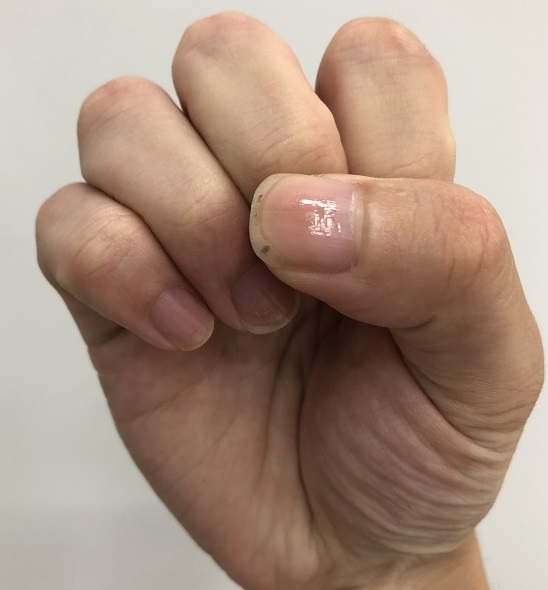
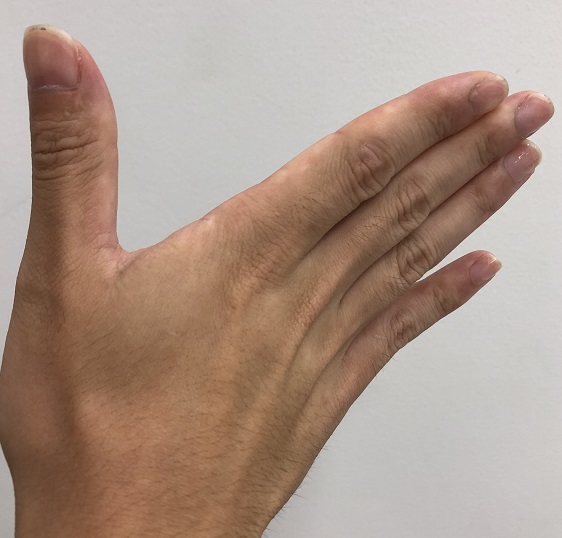
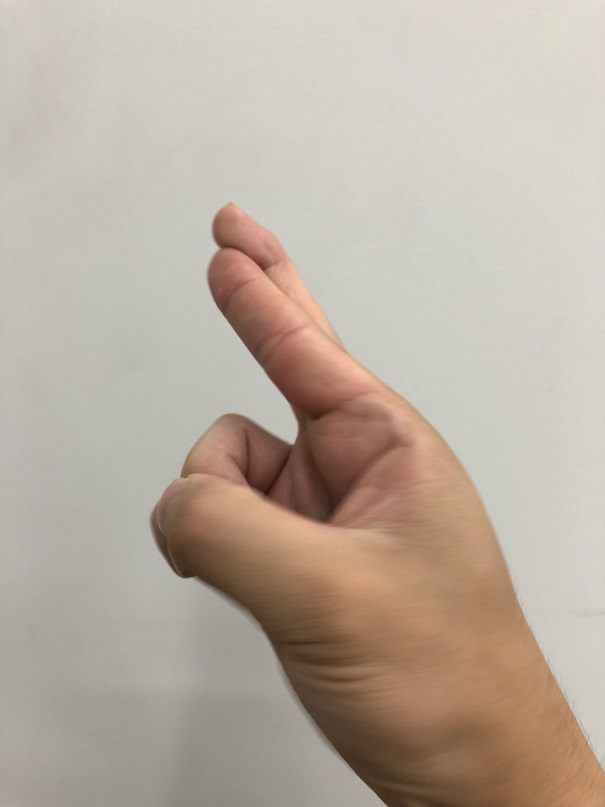
Sounds that are written with a small symbol or an extra mark, like the “ga” in “gakkou” (school), are shown by adding a movement to the hand shape.
Each country’s system works like this. It is built around its own language, so the way you spell a word depends on where you are.
How to Fingerspell Your Name
Your name is the best place to start. You already know how it is spelled, and you will use it often.
- Find the right chart. Use the finger alphabet from your country or your friend’s country.
- Go slowly and clearly. Show one letter at a time, with a clear hand shape. Speed comes later. A name the other person cannot read is not helpful, however fast it is.
- Use your dominant hand. If you are left-handed, spell with your left hand.
- Watch the other person’s face. If they look unsure, repeat the name slowly. There is nothing wrong with repeating it.
How to Practice Reading Fingerspelling
Spelling and reading are separate skills. Reading takes its own practice. A good order to follow:
- Read single letters one at a time, with a chart beside you.
- Move on to short words of two or three letters.
- Then try longer words such as names and places, ideally from video.
The key is to read the word as a whole instead of stopping at each letter. Quizzes, practice apps, and videos make it easier to keep going.
Common Questions
Do all deaf and hard of hearing people use fingerspelling?
No. Many people who are hard of hearing do not use sign language or fingerspelling at all. Don’t assume that someone who can’t hear well can sign. Ask what works for them, such as writing, watching your mouth, or typing on a phone. For everyday tips, see How to Talk With Someone Who Is Hard of Hearing. To learn the basics of hearing loss, see What Is Hearing Loss?
Can you hold a conversation with fingerspelling alone?
You can, but it takes time, and the other person needs to know the same finger alphabet. It is usually used as a helper alongside sign language.
Is there one international finger alphabet?
No. There is no universal sign language, and finger alphabets differ from one country to another.
Which hand should I use?
Your dominant hand. Left-handed people spell with the left hand.
Key Takeaways
- Fingerspelling spells words letter by letter with hand shapes. It is one part of sign language, not the same thing.
- It is most useful for names, places, and words that have no sign.
- There is no single finger alphabet. Some use one hand, some use two, and each follows its own country’s language.
- To start, learn the finger alphabet used where your friend lives, and practice with your own name.
You do not need to learn everything at once. Starting with your name is a perfectly good first step.
References
- NIDCD (NIH), What Is American Sign Language (ASL)?
- The SAGE Deaf Studies Encyclopedia, Sign Language: One-Handed Fingerspelling
- The SAGE Deaf Studies Encyclopedia, Sign Language: Two-Handed Fingerspelling


コメント