
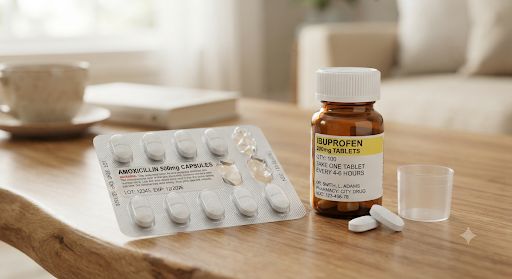
Have you ever noticed ringing in your ears after starting a new medication? Or have you noticed that a family member is asking people to repeat themselves more often?
In some cases, these changes may be related to a medication’s side effects.
Drug-induced hearing loss occurs when a medication damages the hearing system. Certain antibiotics, cancer drugs, and other medications can affect hearing, but not everyone who takes these drugs will develop hearing loss. Many of these medications are essential for treating serious illnesses, and doctors consider their potential side effects when prescribing them.
In this article, we’ll explain which medications can cause hearing loss, what warning signs to look out for, whether hearing can recover, and how to reduce the risk.
The most important thing is to understand the risks and recognize changes in your hearing as early as possible. If you notice any symptoms, do not stop taking your medication on your own. Talk to your doctor or pharmacist first to determine the safest next steps.
- What Is Drug-Induced Hearing Loss?
- Symptoms of Drug-Induced Hearing Loss and Early Warning Signs
- Medications That Can Cause Hearing Loss
- Can Drug-Induced Hearing Loss Be Reversed?
- Who Is at Greater Risk of Drug-Induced Hearing Loss?
- Preventing Drug-Induced Hearing Loss and the Latest Research
- What to Do If You Notice Changes in Your Hearing
- Frequently Asked Questions About Drug-Induced Hearing Loss
- Summary: What You Should Know About Drug-Induced Hearing Loss
- References
What Is Drug-Induced Hearing Loss?
Drug-induced hearing loss occurs when a medication used to treat an illness causes hearing problems as a side effect. It is also known as medication-induced hearing loss or ototoxic hearing loss. In medical settings, you may also see the term ototoxicity, which refers to damage to the inner ear caused by certain medications.
Which Part of the Ear Is Affected?

The inner ear is the part most commonly affected by drug-induced hearing loss.
Inside the inner ear is a spiral-shaped structure called the cochlea. It contains tiny sensory cells called hair cells, which convert sound vibrations into electrical signals that the brain can interpret as sound.
Some medications can damage these hair cells, making it difficult for the brain to receive sound signals properly. This can lead to a type of hearing loss called sensorineural hearing loss.
You can learn more about how these cells work in our article, “What Are Hair Cells in the Ear? Why Does Damage Cause Hearing Loss?“.
The inner ear also contains structures that help maintain balance. Some medications can affect these structures as well, causing dizziness or unsteadiness in addition to hearing problems.
How Common Is Drug-Induced Hearing Loss?
The risk varies considerably depending on the medication, the dose, and how long it is used.
For example, the prescribing information for cisplatin, a chemotherapy drug, reports hearing loss or decreased hearing in 2.8% of patients and tinnitus (ringing in the ears) in 3.3%.
This does not mean that everyone who takes these medications will develop hearing loss. However, some medications carry a greater risk when used at higher doses or over longer periods.
If you are receiving treatment with a medication that may affect hearing, it is important to pay attention to any changes in your hearing and follow your doctor’s recommendations for hearing tests.
Symptoms of Drug-Induced Hearing Loss and Early Warning Signs

Drug-induced hearing loss often affects both ears, although the pattern can vary depending on the medication.
In many cases, hearing loss develops gradually, so you may not notice it yourself at first. Sometimes, family members notice changes before the person experiencing hearing loss does.
Ringing in the Ears or a Feeling of Fullness May Appear First
One of the earliest warning signs may be tinnitus, which is the perception of sound without an external source.
You might hear a high-pitched ringing or whistling sound, even when the surroundings are quiet. Some people also experience a feeling of fullness or pressure in the ear, as though the ear is blocked.
These symptoms do not always mean that a medication is causing hearing damage. However, if they begin after starting a new medication or changing a dose, tell your doctor or pharmacist.
High-Pitched Electronic Sounds May Become Harder to Hear
Some medications, particularly aminoglycoside antibiotics and platinum-based chemotherapy drugs, tend to affect the ability to hear high-pitched sounds first.
For example, you may notice that you can no longer hear certain electronic beeps, such as the alarm on a thermometer or the beep from a microwave oven, as clearly as before.
These changes can occur before you notice difficulty understanding everyday conversations.
Other medications, such as loop diuretics and salicylates, may affect a broader range of frequencies, making sounds across different pitches seem quieter.
Warning Signs That Family Members May Notice
Family members and people around you may notice changes in your hearing before you do.
Look out for signs such as:
- Asking people to repeat themselves more often.
- Turning up the television volume higher than usual.
- Sometimes failing to respond when someone calls your name.
These changes can have many causes, including age-related hearing loss. However, if they begin after starting a medication, it is worth discussing them with a healthcare professional.
Dizziness or Problems With Balance Can Also Occur
Some medications can affect not only hearing but also the body’s balance system in the inner ear.
For example, certain aminoglycoside antibiotics, including streptomycin, can damage structures involved in maintaining balance. This may cause dizziness, unsteadiness, or difficulty walking steadily.
If you experience new hearing problems along with dizziness or balance difficulties while taking medication, contact your healthcare provider promptly.
If your hearing suddenly becomes worse, seek urgent medical evaluation rather than assuming that the medication is the cause. Sudden hearing loss can have other causes and may require time-sensitive treatment.
Medications That Can Cause Hearing Loss

Four major groups of medications are commonly associated with drug-induced hearing loss. These include certain antibiotics, cancer drugs, diuretics, and pain relievers.
It is important to remember that these medications play essential roles in treating many illnesses. Being listed here does not mean that you will develop hearing loss if you take them. The risk depends on factors such as the medication, dose, duration of treatment, and your individual health.
| Medication group | Examples (generic names) | Common uses | Possible effects on hearing |
| Aminoglycoside antibiotics | Streptomycin, kanamycin, gentamicin, amikacin, tobramycin, and arbekacin | Tuberculosis and serious bacterial infections | Often affects high-pitched hearing first; may also cause dizziness or balance problems |
| Platinum-based chemotherapy drugs | Cisplatin, carboplatin, oxaliplatin, and nedaplatin | Treatment of various cancers | May affect hearing across a broad range of frequencies |
| Loop diuretics | Furosemide, torsemide, azosemide, and bumetanide | Treatment of heart failure and fluid retention | May cause temporary hearing changes across a range of frequencies |
| Salicylates | Aspirin | Pain relief, fever reduction, and prevention of blood clots at low doses |
Aminoglycoside Antibiotics
Aminoglycosides are a type of antibiotic used to treat bacterial infections.
Although they are used less frequently in some settings than in the past, they remain important for treating certain serious infections, including tuberculosis and infections caused by bacteria that are resistant to other antibiotics.
Some aminoglycosides can damage the sensory cells in the inner ear. Depending on the specific drug, this damage may affect hearing, balance, or both.
The risk can increase with higher doses and longer treatment. People with certain genetic variations may also be particularly susceptible to hearing damage from these medications.
Platinum-Based Chemotherapy Drugs
Platinum-based drugs are widely used in cancer treatment. One of the best-known examples is cisplatin, which is associated with an increased risk of hearing damage.
These drugs can damage the hair cells in the cochlea, often affecting the ability to hear high-pitched sounds first. The resulting hearing loss may be permanent.
Doctors may recommend hearing tests before and during treatment to detect changes as early as possible. The potential effects on hearing must be considered alongside the benefits of treating the cancer.
Loop Diuretics
Loop diuretics are medications that help the body remove excess water and salt through urine. They are commonly prescribed for conditions such as heart failure and fluid retention.
Furosemide is one example of a loop diuretic. Lasix is a brand name for furosemide.
These medications can sometimes cause hearing changes, particularly when used at high doses or in people with impaired kidney function. Hearing problems may be more likely when loop diuretics are combined with other medications that can damage hearing.
In some cases, the effects are temporary and improve after the medication is adjusted under medical supervision.
Salicylates
Salicylates are medications that include aspirin, which is used to relieve pain and reduce fever. Low-dose aspirin is also prescribed to help prevent blood clots in certain patients.
High doses of aspirin can cause tinnitus and temporary hearing loss. These effects often improve when the dose is reduced or the medication is discontinued under medical guidance.
However, low-dose aspirin used as prescribed generally carries a much lower risk of hearing-related side effects. Do not stop prescribed aspirin without consulting your doctor, especially if you take it to prevent a heart attack or stroke.
Other Medications That May Affect Hearing
In addition to the four groups above, several other medications may affect hearing in certain circumstances.
- Glycopeptide antibiotics: Vancomycin is an example. Hearing-related side effects have been reported, although the risk varies depending on the circumstances.
- Macrolide antibiotics: Some medications in this group can cause hearing changes, which are often temporary.
- Certain ear drops and antiseptics: Ear drops containing framycetin (also known as neomycin) and antiseptics such as povidone-iodine may damage the inner ear if they reach it, particularly when the eardrum is perforated or a ventilation tube is present.
The risk varies from one medication to another. If you have a perforated eardrum, a history of ear surgery, or concerns about a prescribed ear drop, ask your doctor or pharmacist whether it is appropriate for you.
Can Drug-Induced Hearing Loss Be Reversed?
Whether hearing recovers depends largely on the medication involved and the extent of the damage.
Some medications can cause temporary hearing changes that improve after the dose is adjusted or the medication is changed. Other medications can damage the sensory cells in the inner ear permanently, making full recovery unlikely.
| Likelihood of recovery | Medication groups | Typical pattern |
| Hearing changes are often reversible | Loop diuretics, salicylates, and some macrolide antibiotics | Hearing may improve after the dose is adjusted or the medication is stopped under medical supervision |
| Hearing loss is often permanent | Aminoglycoside antibiotics and platinum-based chemotherapy drugs | Damage to the inner ear may persist even after treatment ends |
These are general tendencies, not guarantees. The outcome varies depending on the specific medication, dose, duration of treatment, and individual circumstances.
For medications that commonly cause temporary hearing changes, adjusting the dose or switching to another drug may help restore hearing.
When a medication can cause permanent damage, early detection is particularly important. Identifying changes promptly may allow doctors to adjust treatment and reduce the risk of further hearing loss.
However, stopping or changing a medication is not always the safest option. For example, during cancer treatment or treatment for a serious bacterial infection, the benefits of continuing a particular drug may outweigh the risk to hearing. These decisions should always be made with your treating doctor.
If your hearing does not recover, there are still ways to improve communication and everyday listening. Hearing aids may help when sufficient hearing remains to benefit from amplification. For some people with severe or profound hearing loss, a cochlear implant may be an option.
You can learn more about hearing support options in our articles on “What Are Hearing Aids? A Complete Beginner’s Guide to Types, Costs, and How to Choose the Right One“ and “What Is a Cochlear Implant? Eligibility, Surgery Costs, and How It Sounds Explained“.
Who Is at Greater Risk of Drug-Induced Hearing Loss?

Drug-induced hearing loss can affect anyone, but certain people may be more vulnerable to its effects. Understanding these risk factors can help you recognize potential problems early and discuss them with your healthcare provider.
Older Adults
Older adults are more likely to take multiple medications, and age-related hearing loss can make it harder to notice additional changes caused by medication.
If you or a family member begins having difficulty hearing, it is easy to assume that it is simply part of getting older. However, it is worth considering whether the changes began around the time a new medication was started or an existing dose was increased.
Pay attention to when the hearing changes started and discuss them with your doctor or pharmacist.
People Taking High Doses or Using Certain Medications for a Long Time
In general, the risk of drug-induced hearing loss can increase with higher doses and longer treatment periods, although this varies by medication.
For example, with cisplatin, hearing damage becomes more likely at higher cumulative doses. Daily doses of 80 mg/m² or more and total doses exceeding 300 mg/m² have been associated with an increased risk of hearing problems.
However, these figures are not universal thresholds that predict whether an individual will develop hearing loss. Your risk depends on your treatment plan and other health factors.
If you are receiving long-term treatment or high doses of a medication known to affect hearing, ask your healthcare provider whether regular hearing tests are appropriate.
People With Reduced Kidney Function
The kidneys help remove many medications from the body. When kidney function is reduced, certain drugs may remain in the body longer than expected or reach higher concentrations.
This can increase the risk of side effects, including hearing damage from some medications.
If you have kidney disease or reduced kidney function, make sure your doctor knows about it before starting treatment. Your medication dose or monitoring plan may need to be adjusted.
People With a Family History of Medication-Related Hearing Loss
Some people have genetic variations that make them particularly susceptible to hearing damage from certain medications.
One well-known example involves a mitochondrial DNA variant called m.1555A>G. People with this variant may develop severe hearing loss after exposure to aminoglycoside antibiotics, sometimes even at doses that would not normally be expected to cause such damage.
Genetic testing can identify this susceptibility in some cases.
If a family member has experienced hearing loss after taking an aminoglycoside antibiotic, tell your doctor before you receive treatment with a medication from this group. Your doctor can consider whether genetic testing or an alternative treatment is appropriate.
Preventing Drug-Induced Hearing Loss and the Latest Research
Although drug-induced hearing loss cannot always be prevented, early monitoring and appropriate treatment decisions can help reduce the risk of serious or permanent damage.
Research is also advancing, with new approaches to preventing hearing damage and potentially restoring hearing in the future.
Get Hearing Tests Before and During Treatment
One of the most useful ways to detect drug-related hearing damage early is to measure your hearing before treatment begins and monitor it during treatment when appropriate.
A baseline hearing test provides a record of your hearing before you start taking a medication. Comparing later results with this baseline can help doctors identify changes that might otherwise go unnoticed.
If you are about to start treatment with a medication that may affect hearing, consider asking your doctor:
- Should I have a hearing test before treatment begins?
- Will my hearing need to be checked during treatment?
- What symptoms should I report immediately?
Not everyone taking these medications will need the same monitoring schedule. Your healthcare provider can recommend an appropriate plan based on the medication and your individual risk factors.
A Medication That Helps Prevent Chemotherapy-Related Hearing Loss
Until recently, there were few established options for preventing hearing damage caused by certain medications. One important development is sodium thiosulfate, a drug that can help reduce the risk of hearing loss associated with cisplatin chemotherapy in specific groups of patients.
Clinical trials in children have shown that administering sodium thiosulfate after cisplatin can reduce the risk of hearing damage in certain treatment settings.
In September 2022, the US Food and Drug Administration (FDA) approved a sodium thiosulfate product for reducing the risk of cisplatin-related hearing loss in pediatric patients with localized, non-metastatic solid tumors.
The timing of administration is important because sodium thiosulfate may interfere with cisplatin’s anticancer effects in some circumstances. Its use therefore depends on the patient’s cancer type, treatment plan, and clinical circumstances.
This treatment is not suitable for everyone receiving cisplatin, and its availability and approved uses vary by country. Ask your oncology team whether it is appropriate for your situation.
Research Into Restoring Damaged Hair Cells
Scientists around the world are investigating ways to regenerate damaged hair cells in the inner ear.
These cells play a crucial role in converting sound vibrations into electrical signals. In humans, damaged cochlear hair cells generally do not regenerate naturally, which is one reason some types of sensorineural hearing loss are permanent.
Researchers are exploring approaches such as gene therapy, regenerative medicine, and treatments that may encourage the development of new hair cells.
Although these approaches are promising, many remain experimental and are not yet established treatments for routine clinical use.
You can learn more about hair cells and research into their regeneration in our article, “What Are Hair Cells in the Ear? Why Does Damage Cause Hearing Loss?“.
What to Do If You Notice Changes in Your Hearing

If you notice ringing in your ears, difficulty hearing certain sounds, or other changes in your hearing while taking medication, it is important to act promptly.
Here are three steps you can take.
1. Do Not Stop Taking Your Medication on Your Own
Even if you suspect that a medication is affecting your hearing, do not stop taking it or change the dose without medical advice.
Stopping treatment may make the condition being treated worse. Instead, contact the doctor who prescribed the medication or speak with your pharmacist about your symptoms.
Depending on the situation, your healthcare provider may adjust the dose, switch you to another medication, or recommend additional tests.
2. Tell Your Doctor or Pharmacist About Your Symptoms
When you seek advice, try to explain the following:
- When you first noticed the hearing changes.
- Which sounds have become difficult to hear.
- Whether you have tinnitus (ringing in the ears), dizziness, or a feeling of fullness in your ears.
- Whether you recently started a new medication or changed your dose.
These details can help your healthcare provider assess whether the medication may be contributing to your symptoms.
Keeping track of when your symptoms occur can also be helpful.
3. Visit an Ear, Nose, and Throat (ENT) Specialist for a Hearing Test
An ENT specialist can examine your ears and arrange hearing tests to determine whether your hearing has changed.
Bring your medication list or medication record with you. This can help the doctor identify medicines that may be contributing to your symptoms.
If your hearing suddenly becomes worse, seek urgent medical evaluation. Sudden hearing loss can require prompt treatment, so do not wait to see whether the symptoms improve on their own.
Frequently Asked Questions About Drug-Induced Hearing Loss
Is It Safe to Take Over-the-Counter Headache Medicine?
Some over-the-counter pain relievers contain aspirin, which can cause tinnitus or temporary hearing changes, particularly at high doses.
However, people who use these medicines at recommended doses for short periods generally do not need to be overly concerned about hearing damage.
If you regularly take pain relievers, need them for an extended period, or notice ringing in your ears after taking them, consult your pharmacist or doctor.
Always follow the instructions on the package, and do not stop prescribed medication without medical advice.
Can Hearing Aids Help With Drug-Induced Hearing Loss?
Yes. Hearing aids can help many people with drug-induced hearing loss.
Because drug-induced hearing loss often involves damage to the inner ear, it commonly results in sensorineural hearing loss. Hearing aids can amplify sounds to make speech and other everyday sounds easier to hear.
The amount of benefit depends on the severity and pattern of hearing loss. An audiologist or hearing care professional can help determine which type of hearing aid may be suitable.
For people with severe or profound hearing loss who receive limited benefit from hearing aids, a cochlear implant may be another option.
Should I See a Doctor if I Have Tinnitus but Can Still Hear Normally?
Yes, it is worth discussing persistent or new tinnitus with a healthcare professional, even if your hearing seems normal.
Tinnitus can sometimes be an early sign of medication-related hearing changes. In some cases, high-frequency hearing loss may develop before you notice difficulty understanding conversations.
If the ringing began after starting a new medication or changing your dose, tell your doctor or pharmacist.
If tinnitus occurs alongside sudden hearing loss, seek urgent medical evaluation rather than waiting for it to go away.
Summary: What You Should Know About Drug-Induced Hearing Loss
Drug-induced hearing loss is a possible side effect of certain medications, including antibiotics, chemotherapy drugs, diuretics, and pain relievers.
Here are the key points to remember:
- Several types of medication can affect hearing. Aminoglycoside antibiotics, platinum-based chemotherapy drugs, loop diuretics, and salicylates are among the medications associated with hearing-related side effects.
- Tinnitus and difficulty hearing high-pitched sounds may be early warning signs. You or your family members may notice changes before everyday conversations become difficult.
- The possibility of recovery depends on the medication. Hearing changes caused by some diuretics, salicylates, and macrolide antibiotics are often reversible, while damage caused by aminoglycosides and platinum-based chemotherapy drugs may be permanent.
- Early detection is important. Hearing tests before and during certain treatments can help identify changes as soon as possible.
- New treatments and research offer hope. Sodium thiosulfate can help reduce the risk of cisplatin-related hearing loss in certain children receiving cancer treatment, while research into hair cell regeneration continues.
Medications play an essential role in treating illnesses, and many are used safely every day. You do not need to avoid a medication simply because it has the potential to affect hearing.
Instead, understanding the possible side effects can help you recognize warning signs early and seek appropriate medical advice.
If you notice changes in your hearing while taking medication, do not stop taking it on your own. Talk to your doctor or pharmacist about the safest next steps.
References
Prevention and management of hearing loss in patients receiving ototoxic medications

コメント