
“Your child has a mutation in the SLC26A4 gene.”
Hearing this for the first time can be confusing and overwhelming.
The SLC26A4 gene is one of the most common genetic causes of congenital hearing loss and is closely associated with Enlarged Vestibular Aqueduct (EVA) and Pendred syndrome. One of its unique characteristics is that some children pass newborn hearing screening but are later diagnosed with hearing loss.
In this article, we explain the role of the SLC26A4 gene, its symptoms, diagnosis, and available treatment options in an easy-to-understand way.
What Is the SLC26A4 Gene?
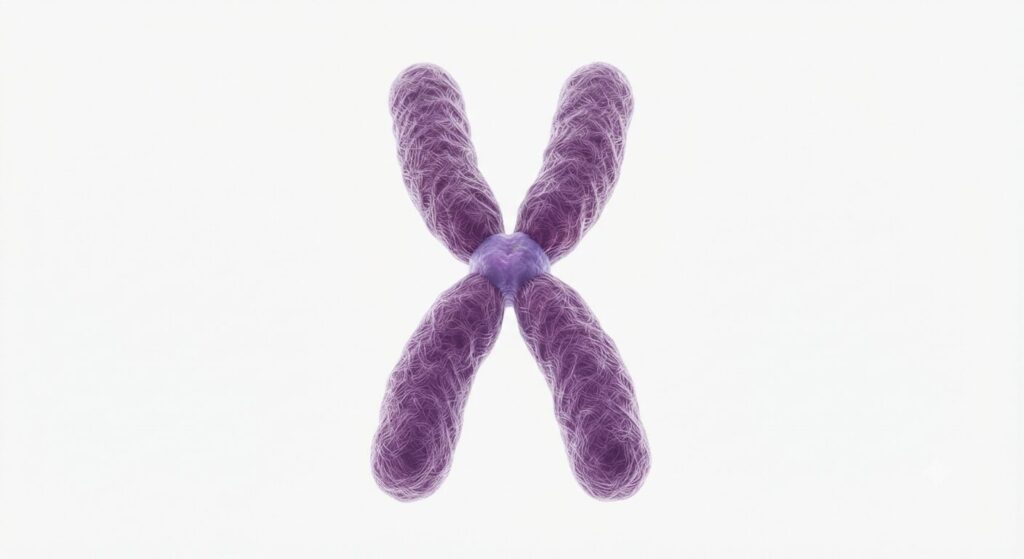
Let’s first look at what the SLC26A4 gene does in the body.
SLC26A4 Is the Gene That Produces Pendrin
The SLC26A4 gene provides the instructions for making a protein called pendrin.
Genes act as the body’s blueprint, determining how various proteins are made and function.
Pendrin is a protein that transports ions in the inner ear and thyroid gland and plays an important role in maintaining a healthy inner ear environment.
One of the Major Causes of Congenital Hearing Loss
More than 100 genes have been identified as causes of hereditary hearing loss.
The SLC26A4 gene is one of the most common causes of congenital hearing loss, alongside the OTOF and GJB2 genes. It is also relatively common among Japanese patients with genetic hearing loss.
Symptoms Caused by SLC26A4 Gene Variants
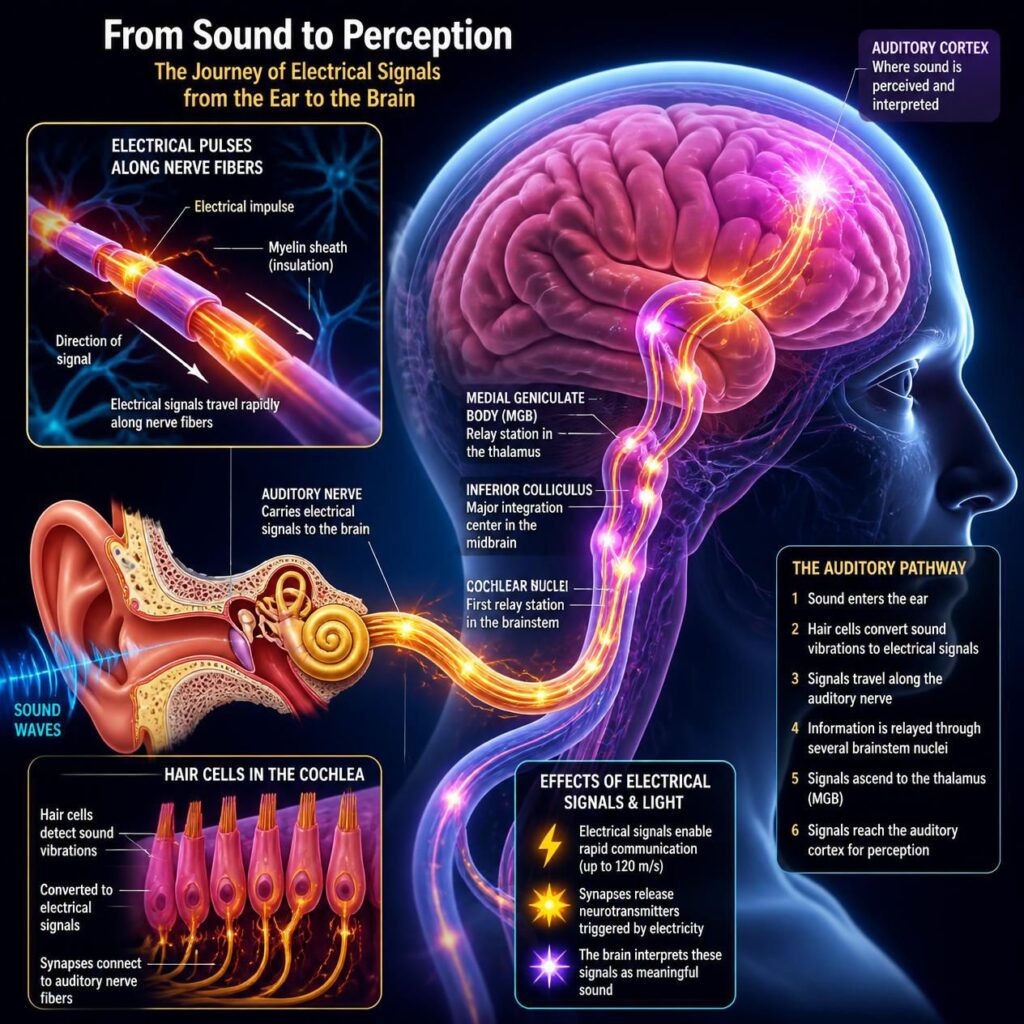
Hearing loss associated with SLC26A4 has several unique characteristics, including progressive and fluctuating hearing loss, Enlarged Vestibular Aqueduct (EVA), and Pendred syndrome.
Progressive and Fluctuating Hearing Loss
One characteristic of SLC26A4-related hearing loss is that it can worsen over time.
Some children have normal hearing at birth but develop hearing loss several years later. In severe cases, profound hearing loss may occur by around three years of age.
Hearing levels may suddenly decline after a common cold or other illnesses.
Another characteristic is fluctuating hearing loss. Hearing ability may improve or worsen depending on the person’s physical condition.
For example:
- Hearing may be better in the morning than in the evening.
- Hearing may suddenly worsen after catching a cold.
While slight hearing fluctuations can occur in other types of hearing loss, SLC26A4-related hearing loss may fluctuate much more significantly.
Enlarged Vestibular Aqueduct (EVA)
One of the most common findings associated with SLC26A4 variants is Enlarged Vestibular Aqueduct (EVA).
The vestibular aqueduct is a tiny bony canal in the inner ear that connects to the endolymphatic sac.
In EVA, this canal is abnormally enlarged.
Although the exact mechanism is not fully understood, the enlarged vestibular aqueduct is thought to make pressure changes in the inner ear more likely, placing stress on the hair cells and contributing to sensorineural hearing loss.
Dizziness and Balance Problems
The inner ear is also responsible for maintaining balance.
Because of abnormalities affecting the vestibular system, some individuals with SLC26A4 variants experience:
- Dizziness
- Vertigo
- Balance problems
- Unsteadiness while walking
Pendred Syndrome
The SLC26A4 gene is also associated with Pendred syndrome.
When pendrin does not function properly, it can affect both hearing and thyroid function.
Pendred syndrome is diagnosed when the following are present:
- SLC26A4 gene variants
- Enlarged Vestibular Aqueduct (EVA)
- Thyroid abnormalities
Non-Syndromic Hearing Loss (DFNB4)
If thyroid abnormalities are absent, the condition is classified as non-syndromic hearing loss known as DFNB4.
The diagnostic criteria include:
- SLC26A4 gene variants
- Enlarged Vestibular Aqueduct (EVA)
- No thyroid abnormalities
Interestingly, the same genetic cause can lead to different diagnoses depending on the associated symptoms.
Relationship With Newborn Hearing Screening

One important characteristic of SLC26A4-related hearing loss is that some children pass newborn hearing screening.
Some Children Pass Newborn Hearing Screening
Perhaps the most challenging aspect of SLC26A4-related hearing loss is that hearing may appear normal at birth.
As a result, newborn hearing screening may show a “Pass” result even though hearing loss develops later in childhood.
Why Does Hearing Loss Develop Later?
Even when the SLC26A4 gene is altered, the inner ear is not necessarily dysfunctional at birth.
However, pendrin plays an important role in transporting ions that maintain the inner ear’s environment.
When pendrin does not function properly:
- Ion balance becomes unstable.
- The inner ear becomes more vulnerable to damage.
- Hearing gradually deteriorates over time.
In simple terms:
Normal hearing at birth → Increased stress on the inner ear → Progressive hearing loss
How Is SLC26A4-Related Hearing Loss Diagnosed?

Diagnosis usually involves a combination of hearing tests, genetic testing, and imaging studies.
Genetic Testing
Genetic testing can directly identify variants in the SLC26A4 gene.
It may be recommended when:
- Congenital hearing loss is diagnosed.
- Enlarged Vestibular Aqueduct is suspected.
- The cause of hearing loss is unknown.
CT and MRI Scans
Because Enlarged Vestibular Aqueduct is commonly associated with SLC26A4 variants, CT scans are useful for evaluating the inner ear’s bony structures.
MRI can assess the fluid-filled structures of the inner ear and provide additional diagnostic information.
Thyroid Evaluation
Because Pendred syndrome affects the thyroid gland, thyroid function tests may be recommended.
However, thyroid abnormalities may not become apparent until later childhood or adolescence.
Treatment and Management

Currently, there is no treatment that can correct the SLC26A4 gene itself. However, several interventions can effectively support hearing.
Hearing Aids
Hearing aids are often beneficial for individuals with mild to severe hearing loss caused by SLC26A4 variants.
Appropriate fitting can significantly improve hearing and communication abilities.
Cochlear Implants
Cochlear implants are an effective option for individuals with severe to profound hearing loss when hearing aids no longer provide sufficient benefit.
Regular Hearing Evaluations
Because SLC26A4-related hearing loss is often progressive and fluctuating, regular hearing evaluations are especially important.
Monitoring hearing levels allows healthcare professionals to:
- Adjust hearing aid settings appropriately.
- Identify hearing deterioration early.
- Determine whether cochlear implantation should be considered.
Frequently Asked Questions (FAQ)
Is the SLC26A4 gene inherited?
Yes. SLC26A4-related hearing loss is inherited in an autosomal recessive manner. If both parents are carriers, there is a 25% chance that their child will inherit the condition.
Is it safe to assume everything is fine if newborn hearing screening is passed?
No. Some children with SLC26A4 variants pass newborn hearing screening and develop hearing loss later. Regular developmental and hearing evaluations remain important.
Can Enlarged Vestibular Aqueduct be cured?
Currently, there is no cure for EVA. Management focuses on monitoring hearing and providing appropriate interventions when necessary.
Are cochlear implants an option?
Yes. Cochlear implants may be recommended for individuals with severe hearing loss.
Can SLC26A4-related hearing loss be prevented?
The genetic variant itself cannot be prevented. However, early diagnosis and regular hearing evaluations can help minimize the impact of hearing loss through timely intervention.
Summary
- SLC26A4 is one of the major genes associated with congenital hearing loss.
- It is closely associated with Enlarged Vestibular Aqueduct (EVA) and Pendred syndrome.
- Some individuals pass newborn hearing screening despite developing hearing loss later.
- Progressive and fluctuating hearing loss are common characteristics.
- Regular hearing evaluations are essential for long-term management.


コメント