
Have you ever heard of Auditory Neuropathy Spectrum Disorder (ANSD)?Many parents first encounter this term after receiving a “refer” result from newborn hearing screening or being told, “The OAE test was normal, but the ABR test showed abnormalities.”ANSD is a type of hearing disorder in which sounds can enter the ear normally, but the auditory signals are not transmitted properly to the brain. As a result, people with ANSD may experience symptoms such as:
- Hearing sounds but struggling to understand speech
- Having significant difficulty hearing in noisy environments
- Inconsistent hearing abilities that vary from day to day
Researchers have also found a strong connection between ANSD and mutations in the OTOF gene. In recent years, cochlear implants and gene therapy have attracted considerable attention as potential treatment options.In this article, we’ll explain the symptoms, causes, diagnosis, treatment options, and the relationship between ANSD and the OTOF gene in an easy-to-understand way.
What Is Auditory Neuropathy Spectrum Disorder (ANSD)?
Auditory Neuropathy Spectrum Disorder (ANSD) is a hearing disorder that affects the transmission of sound signals from the inner ear to the auditory nerve and brain.Unlike typical forms of hearing loss, where the ear cannot detect sounds effectively, people with ANSD often detect sounds normally. The problem lies in the electrical signals that carry sound information to the brain.Because of this, individuals with ANSD may hear sounds but have difficulty understanding spoken language.
Characteristics of ANSD
- Difficulty understanding speech
- Normal OAE results with abnormal ABR results
- Hearing aids may not always be effective
A wide range of severity, from mild to profound hearing loss
Hearing Sounds but Not Understanding Speech
Many people with ANSD can hear pure tones during hearing tests. However, recognizing and understanding speech is often much more difficult.This is especially noticeable in noisy environments, where speech understanding may become significantly worse.
Distinctive Test Results
Sound is converted into electrical signals by hair cells inside the cochlea. These signals are then transmitted to the brain.Two important tests used in newborn hearing screening are:
- OAE (Otoacoustic Emissions): Measures whether the outer hair cells are functioning properly.
- ABR (Auditory Brainstem Response): Measures how the brain responds to sound.
Because outer hair cells are often unaffected in ANSD, OAE results are frequently normal. However, the auditory signals may not reach the brain correctly, resulting in abnormal ABR findings.
Severity Can Vary Greatly
ANSD can range from mild hearing difficulties to profound hearing loss. Some individuals experience relatively minor challenges, while others may require significant hearing support.
Causes of ANSD
Several factors are associated with ANSD, including:
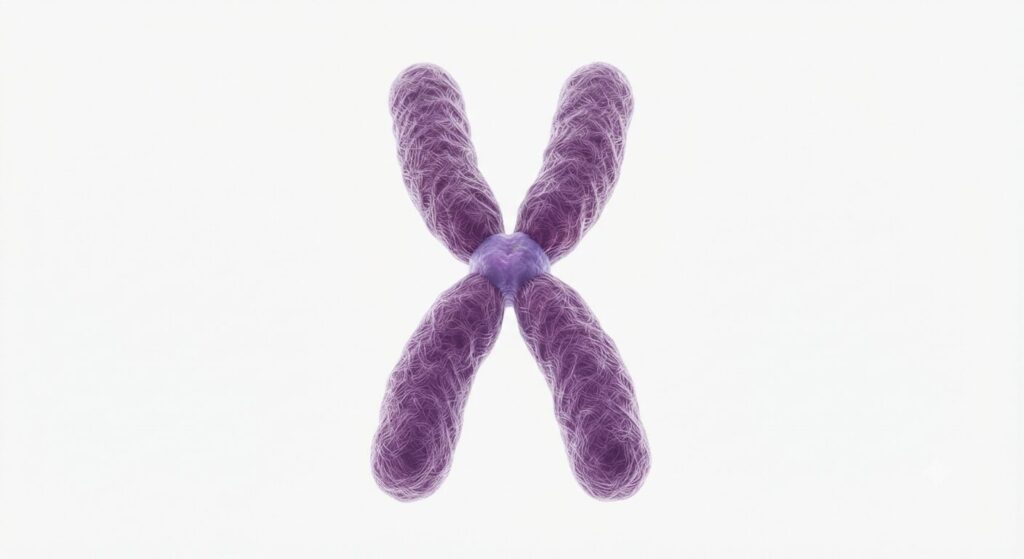
- OTOF gene mutations
- Premature birth
- Low birth weight
- Severe jaundice (hyperbilirubinemia)
OTOF Gene Mutations
One of the most common genetic causes of ANSD is mutations in the OTOF gene.The OTOF gene provides instructions for making a protein called otoferlin, which plays an essential role in transmitting sound signals from inner hair cells to the auditory nerve.When the OTOF gene is mutated, sound reaches the inner ear normally, but the signals cannot be transmitted efficiently to the brain.
Learn more in our detailed guide: What Is the OTOF Gene? Understanding Its Role in Hearing Loss and ANSD.
Premature Birth and Low Birth Weight
Premature infants and babies with low birth weight are at a higher risk of developing ANSD.Their auditory nerves and synapses may be more vulnerable to injury during early development. However, it is important to note that most premature infants grow up with normal hearing.
How Is ANSD Diagnosed?
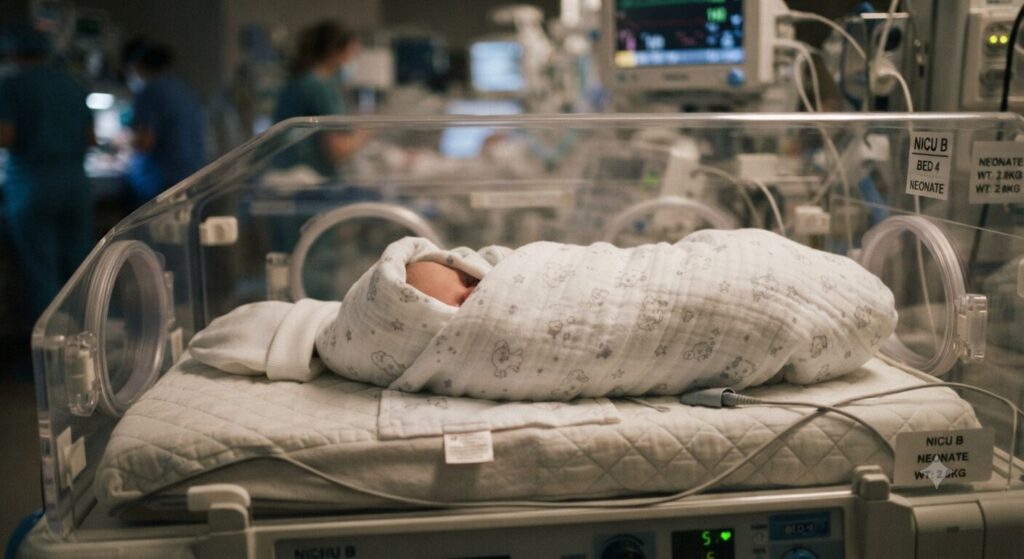
ANSD is typically diagnosed using a combination of:
- Newborn hearing screening
- ABR testing
- OAE testing
- Genetic testing
Newborn Hearing Screening
Newborn hearing screening is usually performed within the first few days after birth.Results are reported as:
- Pass: No hearing concerns detected
- Refer: Additional testing is recommended
Auditory Brainstem Response (ABR)
ABR measures the brain’s response to sound.People with ANSD often show abnormal ABR results because the auditory signals are delayed, disrupted, or not synchronized properly.
Otoacoustic Emissions (OAE)
OAE evaluates the function of the outer hair cells in the cochlea.Since these cells are often intact in ANSD, OAE results may remain normal despite hearing difficulties.
Tympanometry
Tympanometry is a test used to determine whether there are any problems in the middle ear. For example, when a newborn receives a “refer” result on a newborn hearing screening, a normal tympanometry result indicates that the middle ear is functioning properly. This means that sound is reaching the inner ear without any problems, suggesting that sound transmission through the outer and middle ear is intact.
We prepared article of Tympanometry. So, please refer it.
Genetic Testing
More than 100 genes have been linked to hearing loss, including the OTOF gene.Genetic testing can help identify the underlying cause of ANSD and provide valuable information for treatment planning and family counseling.
Treatment Options for ANSD
Treatment depends on the severity and underlying cause of ANSD.
Hearing Aids
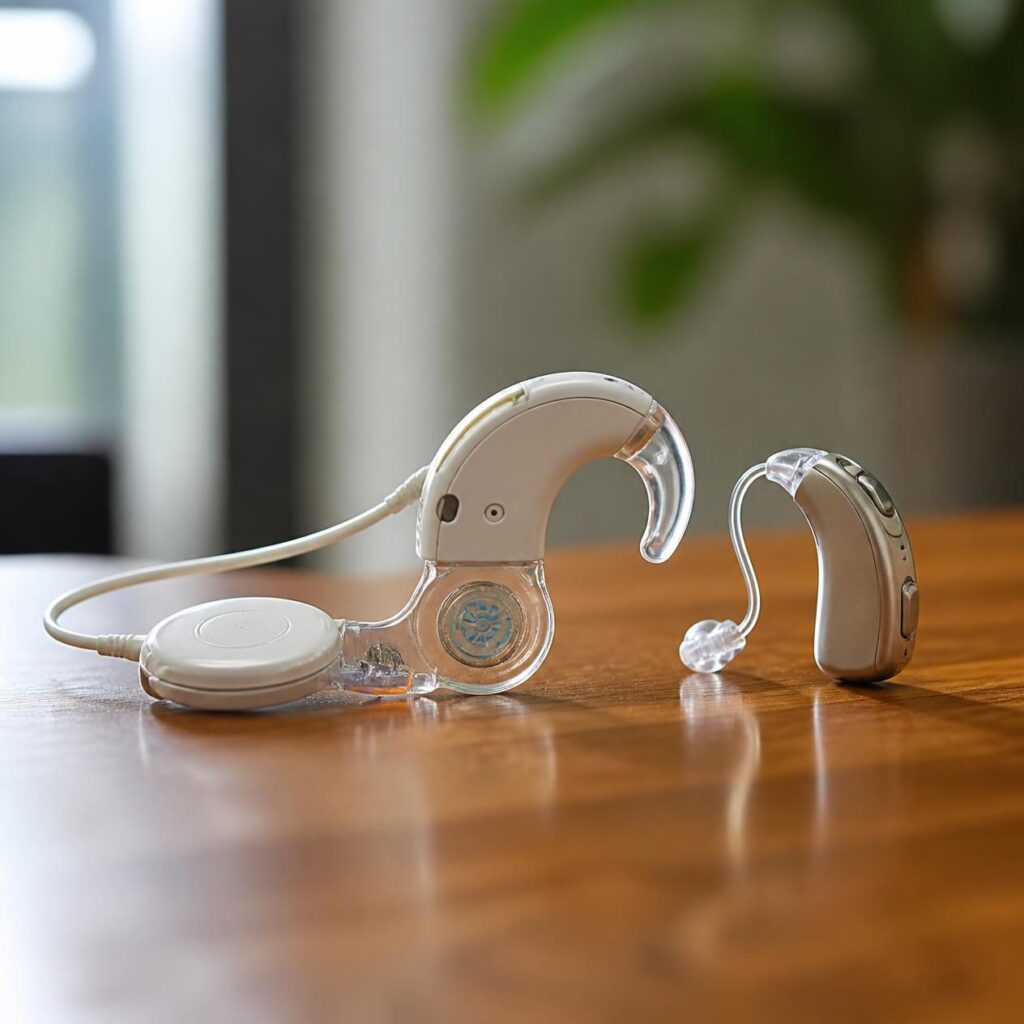
Hearing aids may benefit some individuals with ANSD, but outcomes vary considerably.Because ANSD affects the transmission of sound signals rather than sound detection itself, amplification alone is not always sufficient.
We prepared an article of hearing aids. So, please refer it.
Cochlear Implants
Cochlear implants are often more effective than hearing aids for individuals with OTOF-related ANSD.A cochlear implant bypasses the damaged signaling pathway and directly stimulates the auditory nerve, allowing sound information to reach the brain more effectively.
Speech and Language Therapy
Speech and language therapy plays an important role in supporting communication and language development.Early intervention can significantly improve long-term outcomes, especially in children diagnosed during infancy.
Gene therapy
The OTOF gene, which can cause auditory neuropathy, is currently one of the most extensively studied genes in clinical trials for gene therapy. Although OTOF gene therapy has not yet reached the stage of routine clinical use, it offers hope for improving hearing in the future.
We prepared article of gene therapy. So, please refer it.
ANSD and the OTOF Gene
The OTOF gene is responsible for producing otoferlin, a protein that helps transmit sound information from the inner ear to the auditory nerve.When otoferlin is absent or dysfunctional, sound signals cannot be transmitted efficiently.Researchers are currently investigating gene therapies that deliver healthy copies of the OTOF gene directly into the inner ear. Several early studies have reported improvements in hearing, raising hopes for future treatments.
Is ANSD Inherited?
OTOF-related ANSD is inherited in an autosomal recessive pattern.This means a child must inherit two altered copies of the gene—one from each parent—to develop the condition.If both parents carry an OTOF mutation, there is a:
- 25% chance the child will have ANSD
- 50% chance the child will be a carrier
- 25% chance the child will inherit neither mutation
Frequently Asked Questions
Can ANSD Be Cured?
There is currently no cure for ANSD. However, gene therapy research is progressing rapidly and may offer new treatment options in the future.
Do Hearing Aids Work for ANSD?
Some individuals benefit from hearing aids, while others experience little improvement.
Are Cochlear Implants Necessary?
Not always. The need for cochlear implants depends on the severity and underlying cause of hearing loss.
Can Adults Develop ANSD?
Yes. Although ANSD is often diagnosed in infancy, it can also develop later in life.
What Is the Difference Between ANSD and Congenital Hearing Loss?
Congenital hearing loss is a broad term describing hearing loss present at birth. ANSD is one specific type of congenital hearing loss.
Conclusion
Auditory Neuropathy Spectrum Disorder (ANSD) is a unique form of hearing loss in which sounds are detected but not transmitted effectively to the brain.Key points to remember:
- ANSD affects sound transmission rather than sound detection.
- OTOF gene mutations are a common cause.
- Newborn hearing screening can help identify ANSD early.
- Cochlear implants may be effective in many cases.
- Gene therapy research offers hope for the future.
Although ANSD can be challenging, early diagnosis and appropriate support can greatly improve communication and language development. If your child receives a “refer” result during newborn hearing screening, consider consulting an audiologist or ENT specialist for further evaluation.

コメント